Antarctica
Antarctic Peninsula, 2024
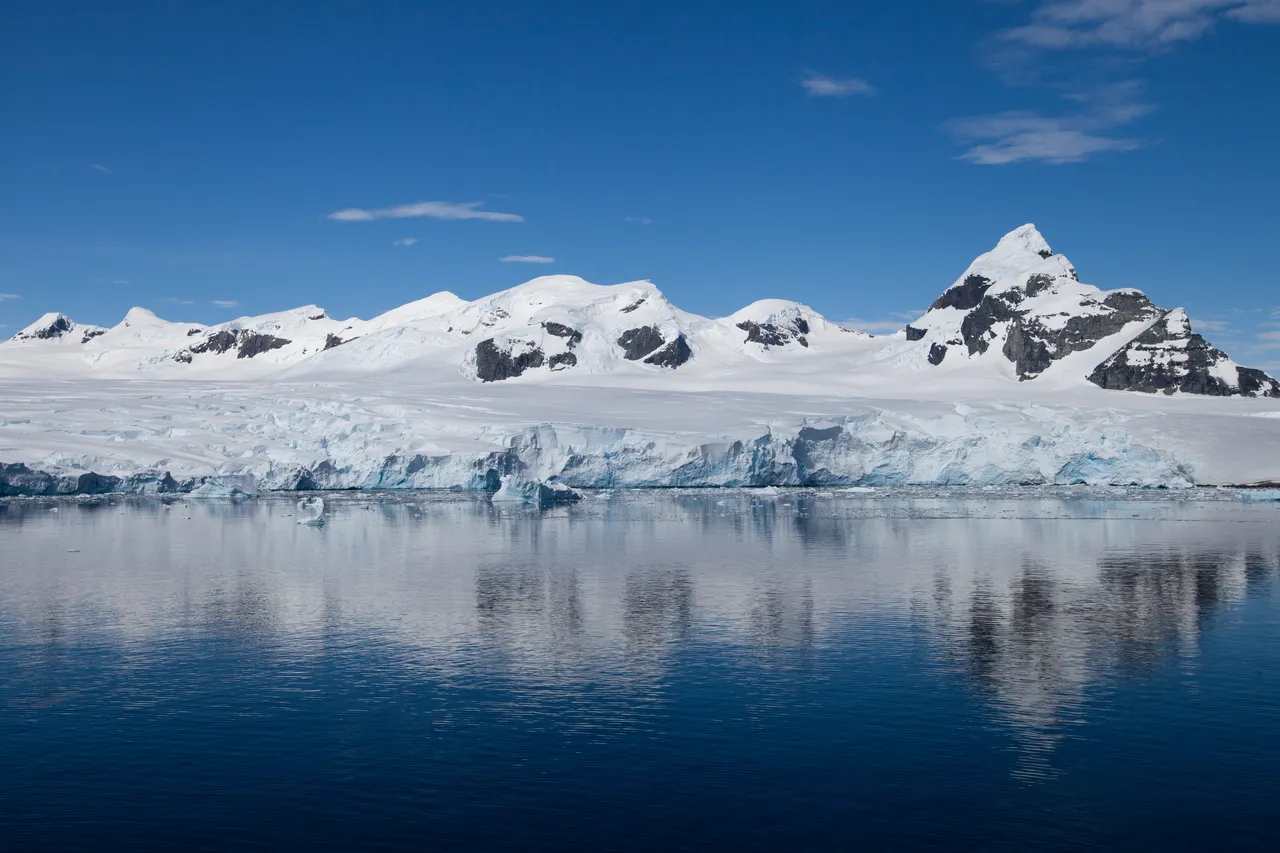
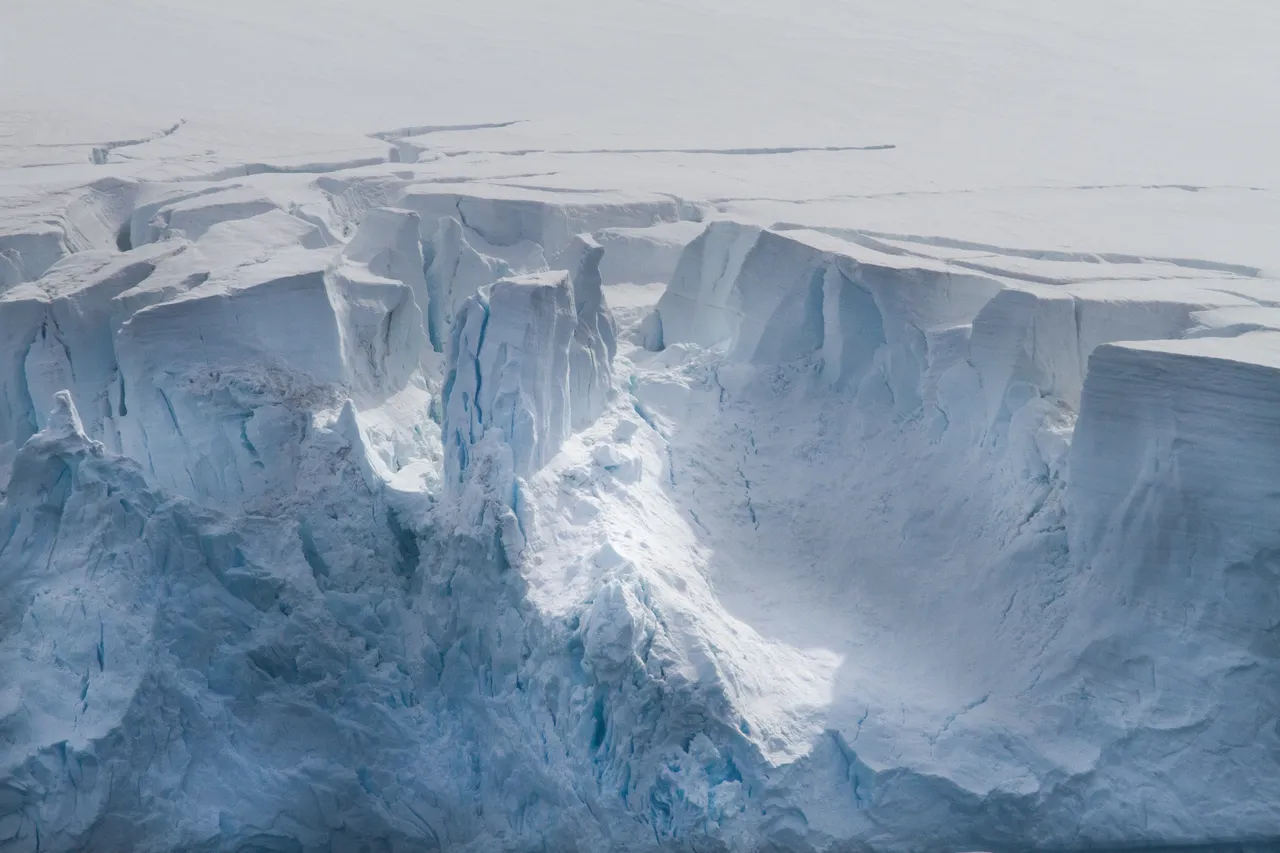
Antarctica is the southernmost continent on earth, and the coldest, driest and windiest. Almost all of it, about 98 percent, lies under a sheet of ice that is on average nearly two kilometres thick and holds about 70 percent of the world's fresh water. In winter the sea around it freezes and the continent doubles in size; at the Russian Vostok Station, scientists once measured minus 89.2 degrees, the lowest temperature ever recorded.
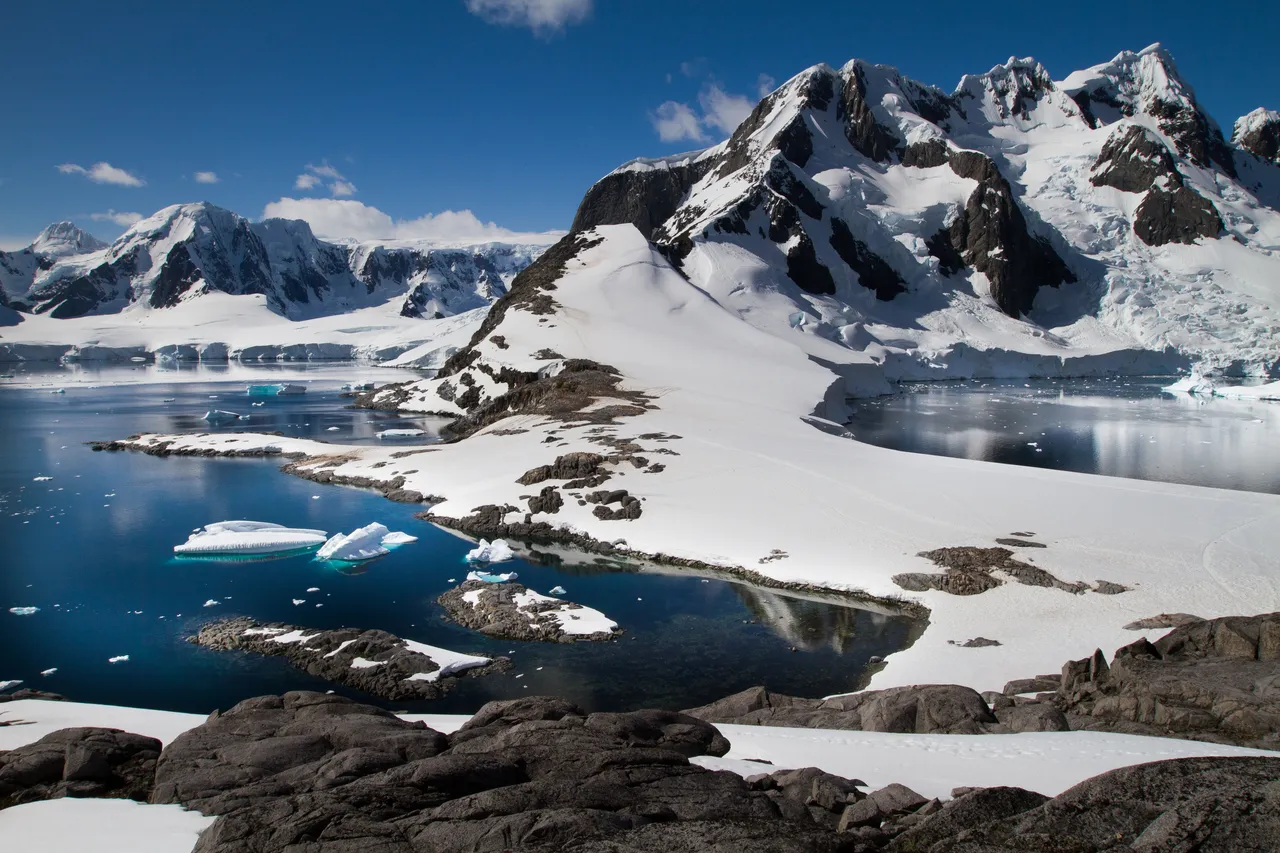
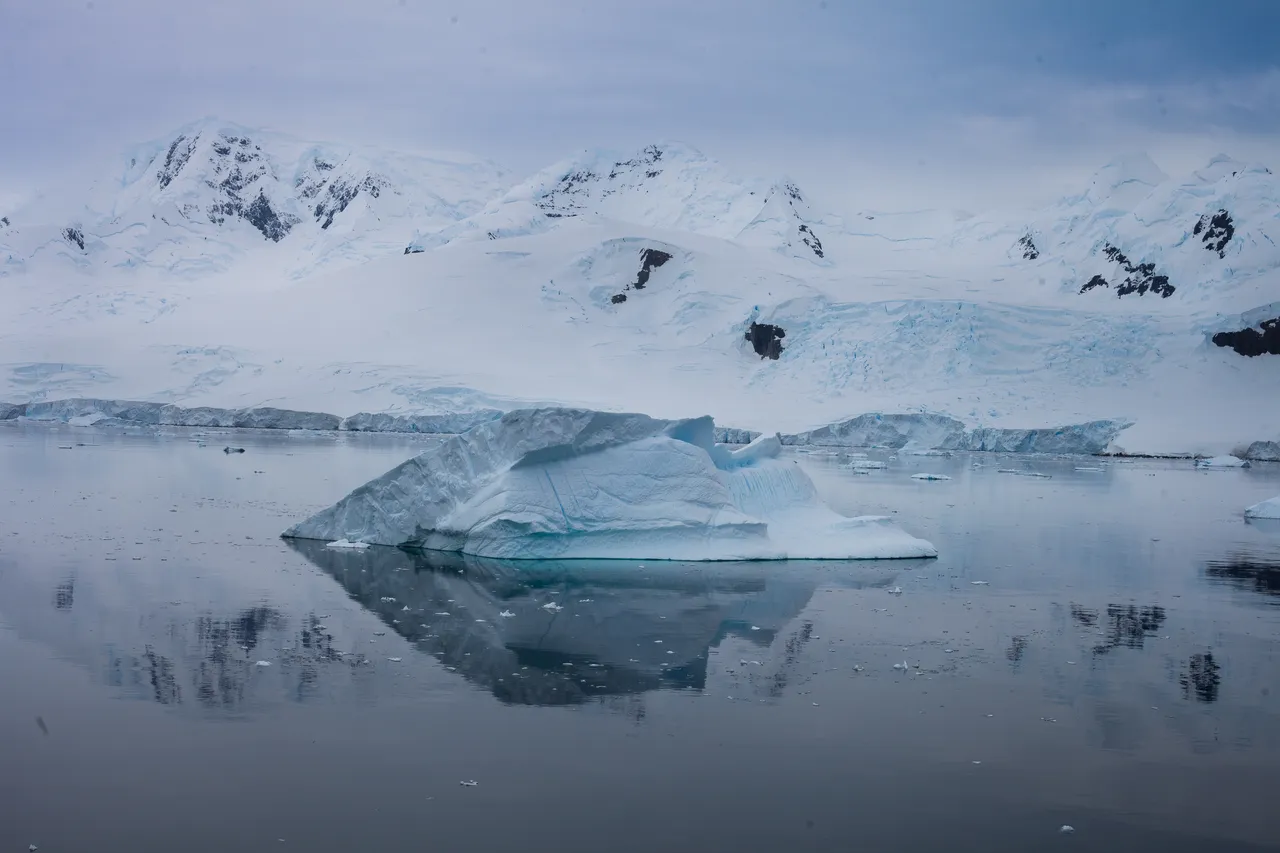
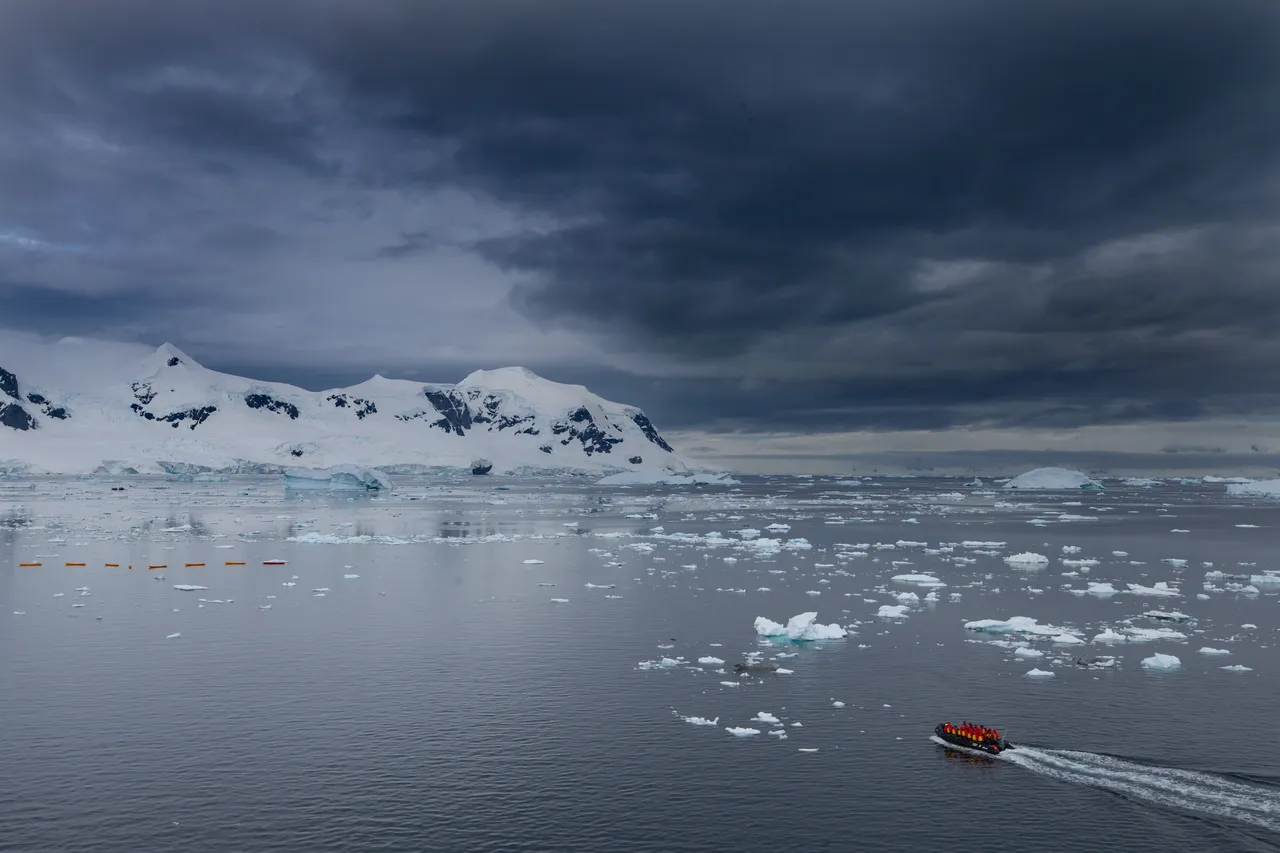
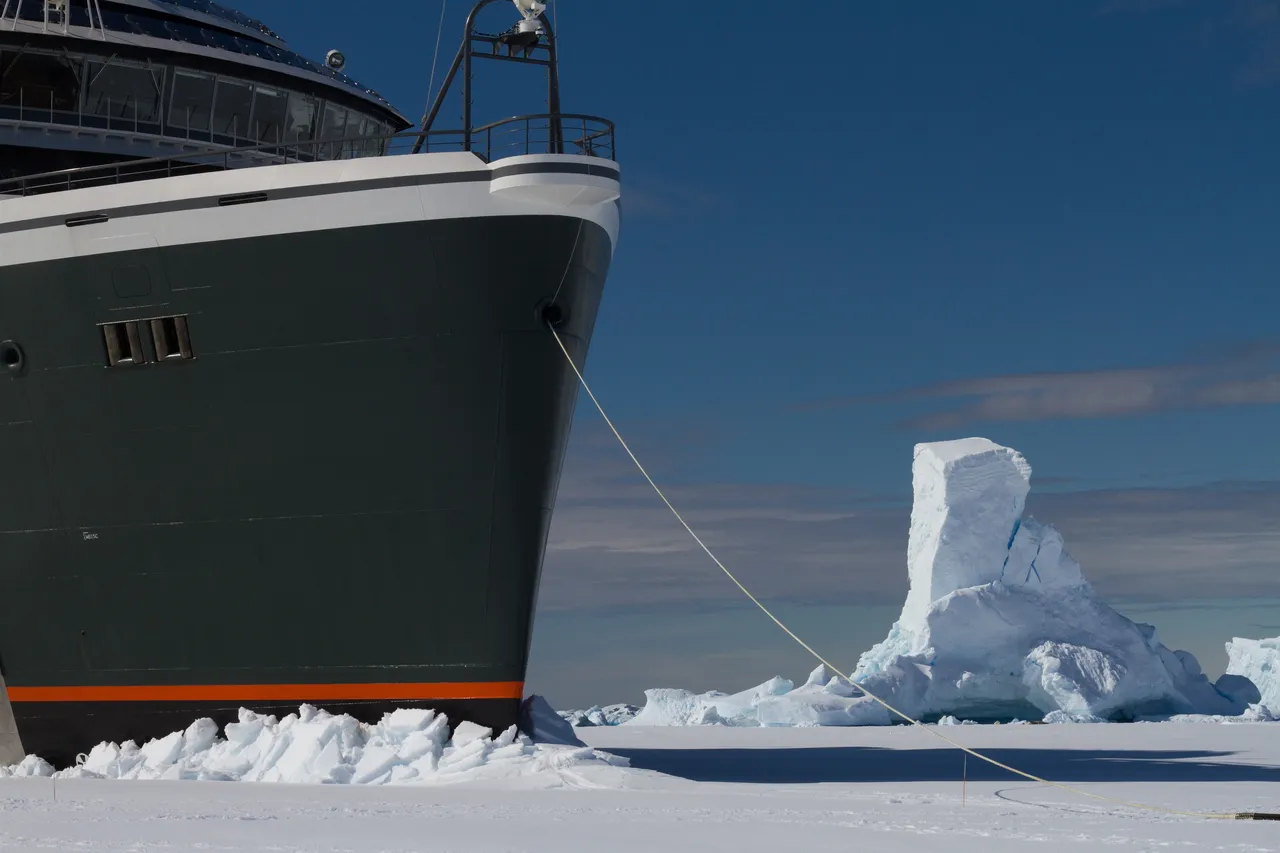
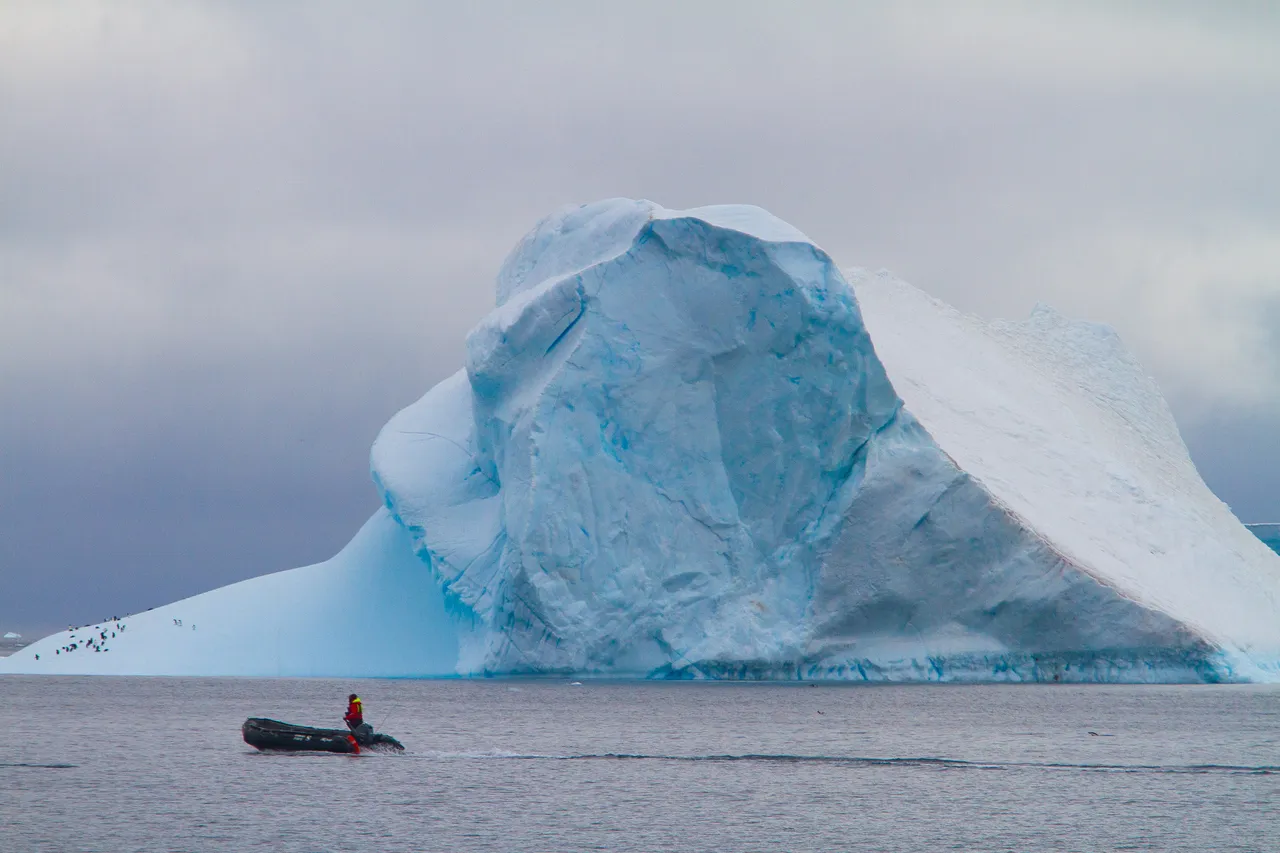
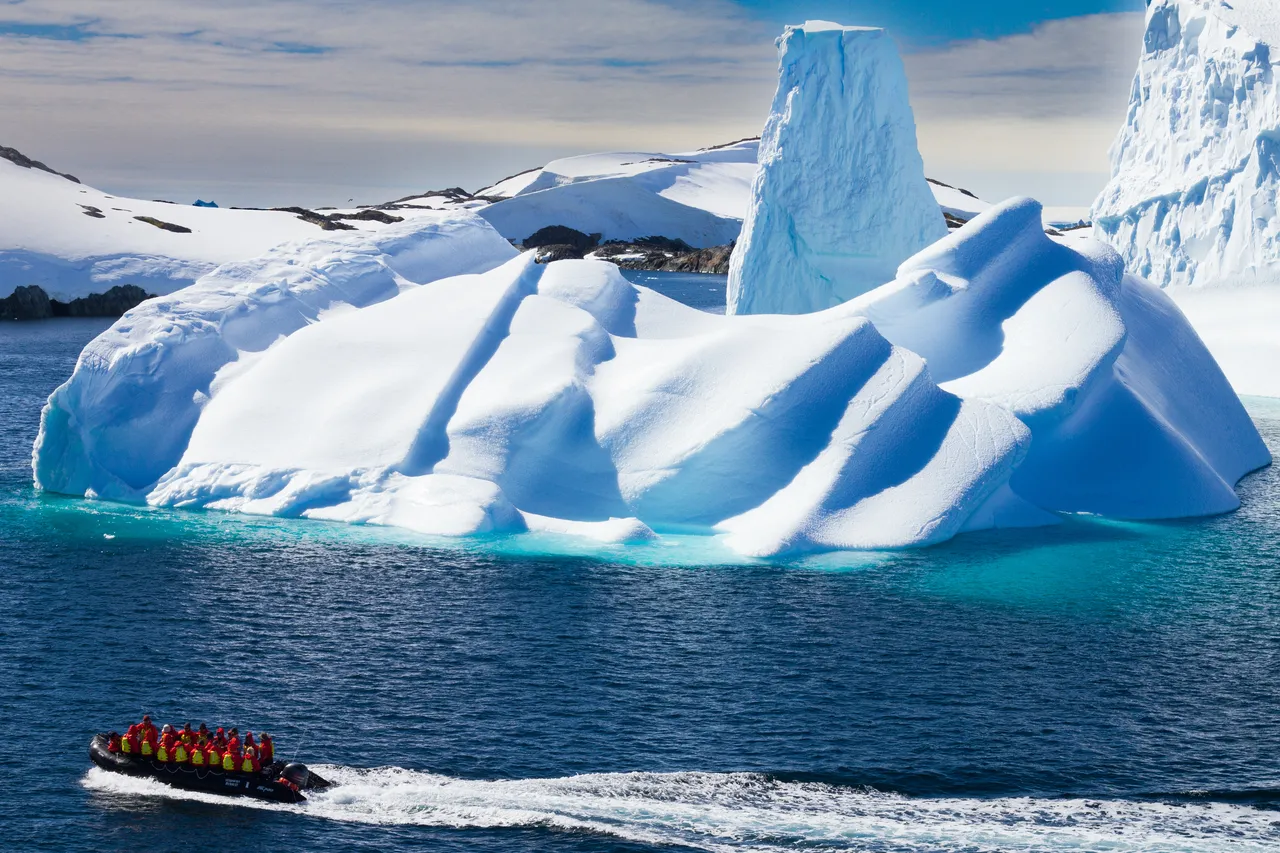
No one lives in Antarctica permanently. Under the Antarctic Treaty of 1959, the continent is reserved for peace and science, and only a few thousand researchers stay at its stations in the summer, far fewer in the winter. Most visitors reach it by ship from the southern tip of South America, after two days across the stormy Drake Passage, and go ashore by inflatable boat on the Antarctic Peninsula.
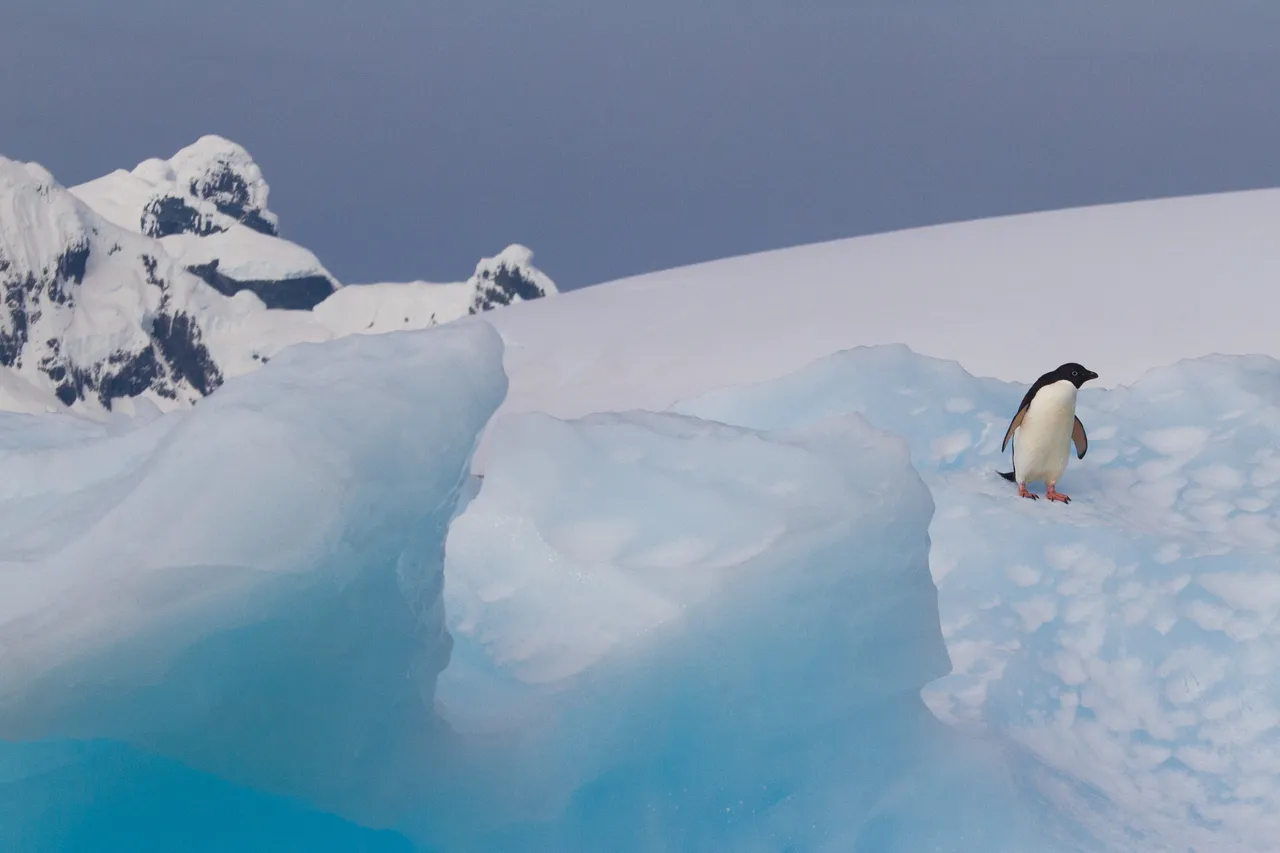
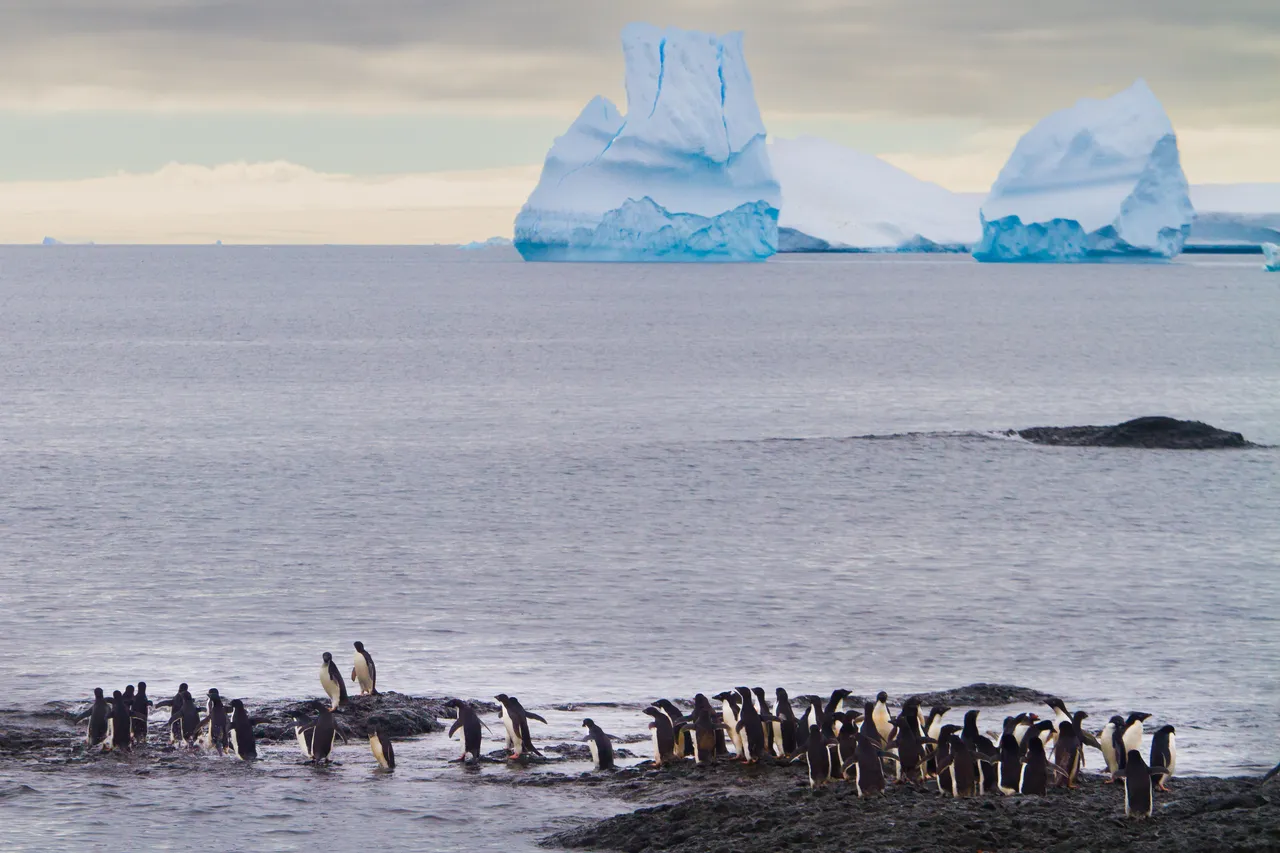
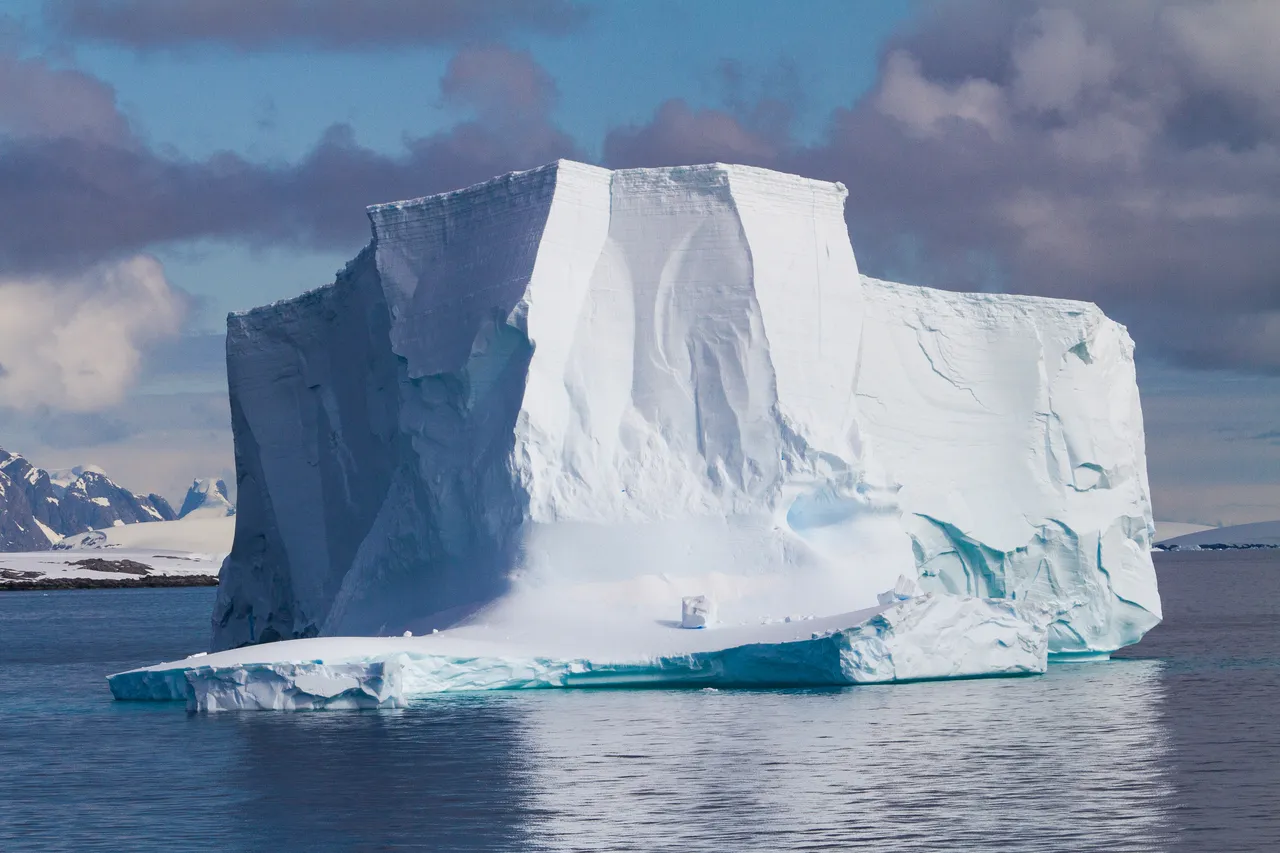
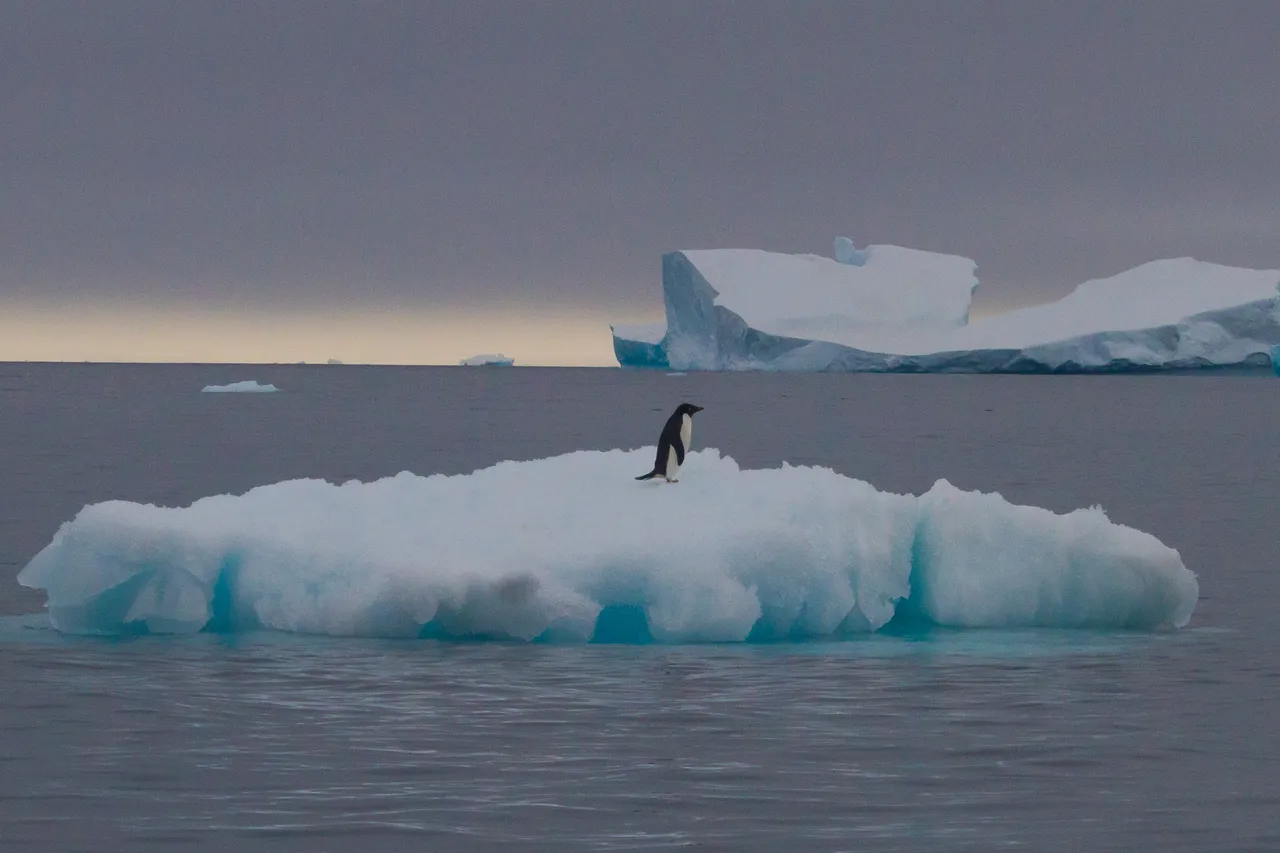
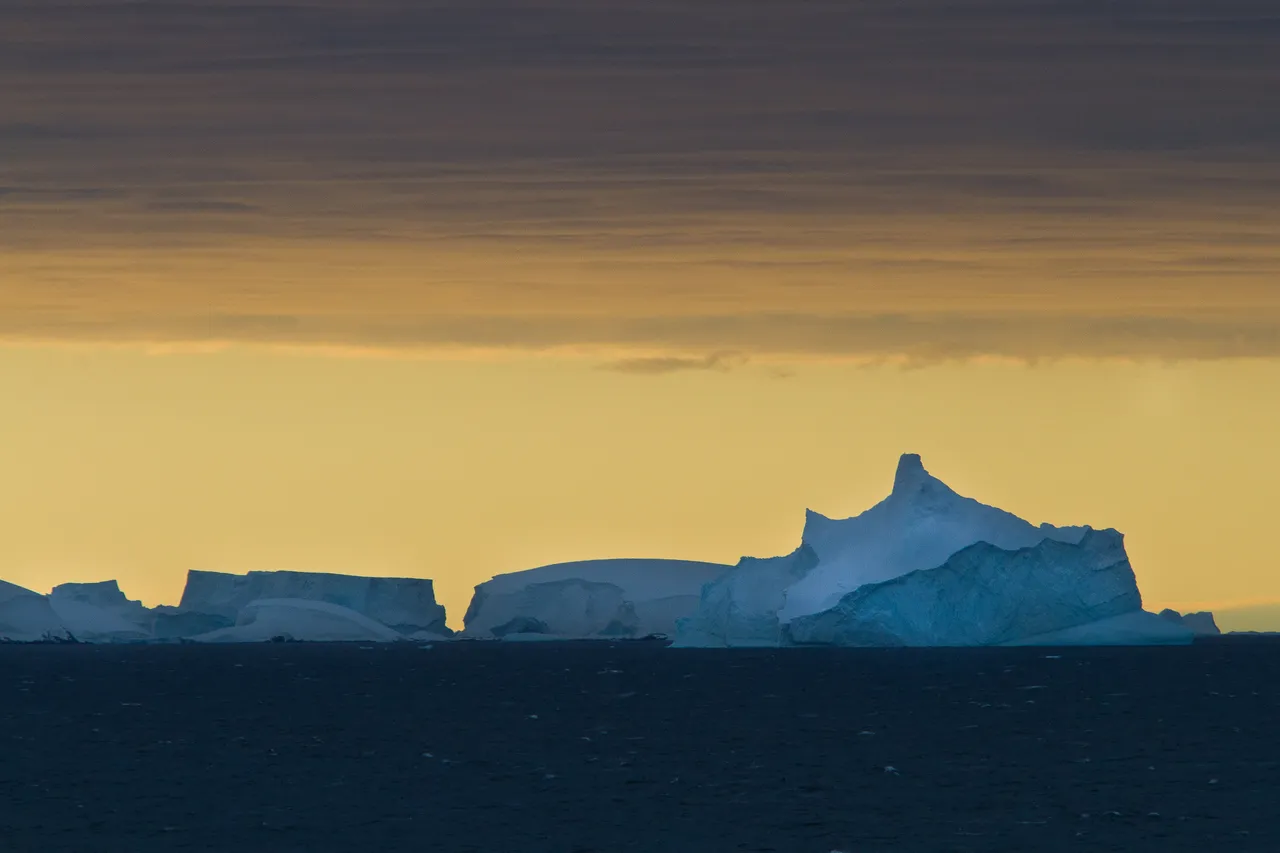
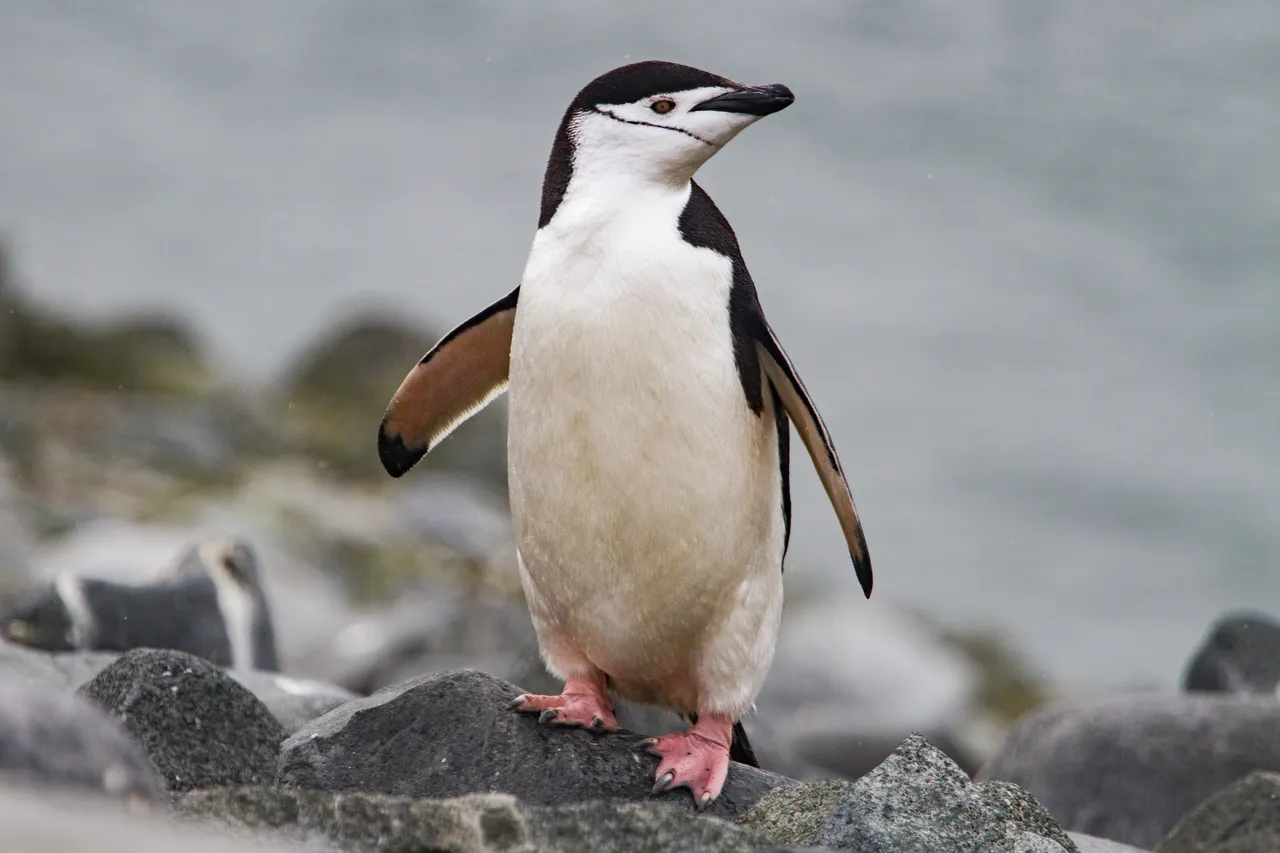
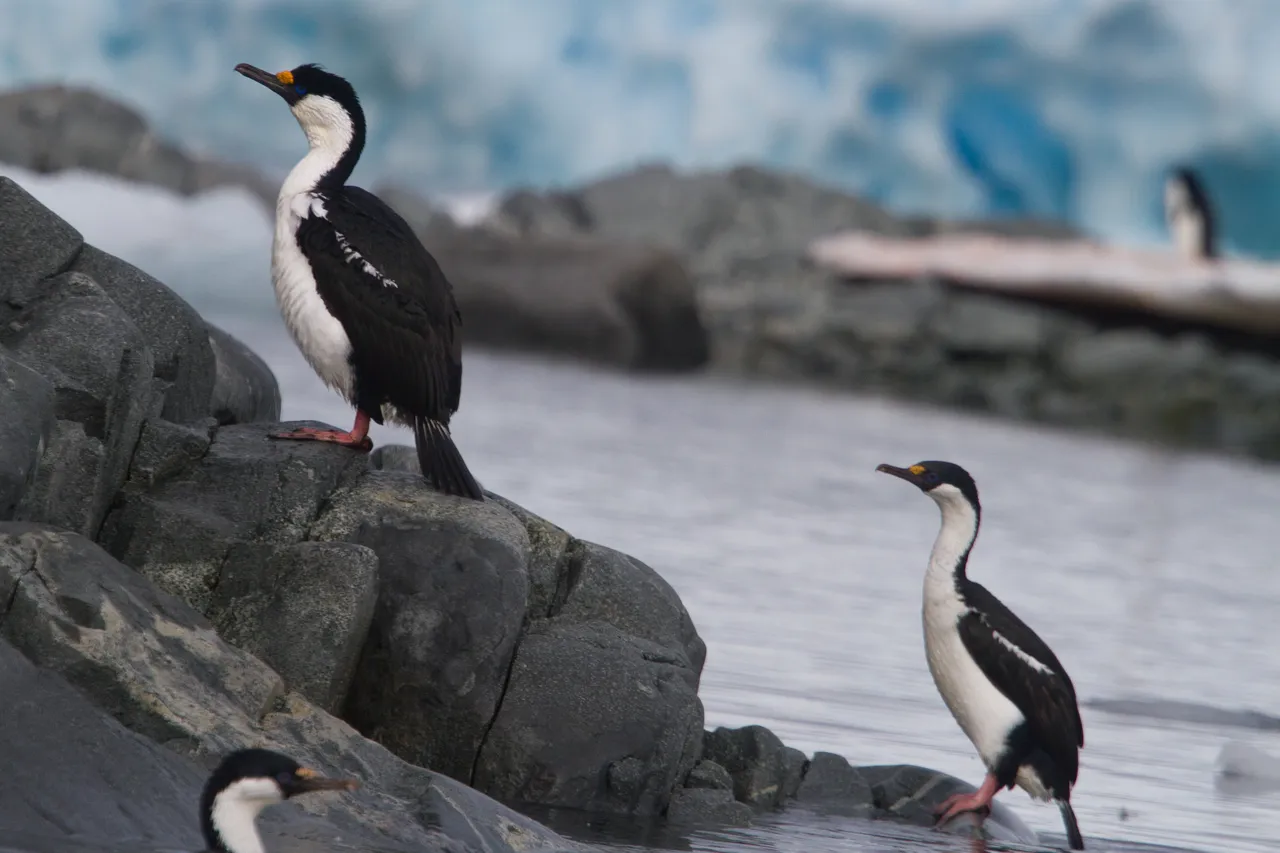
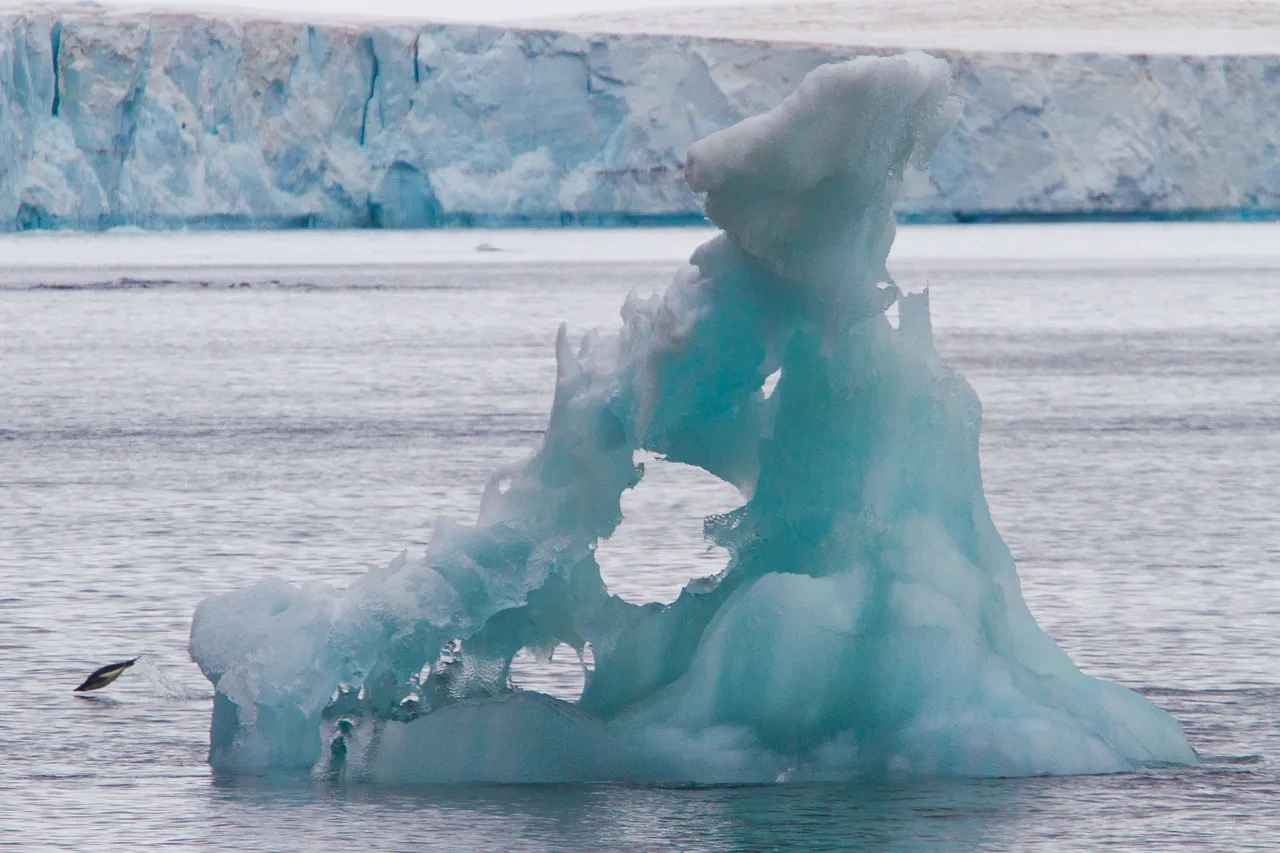
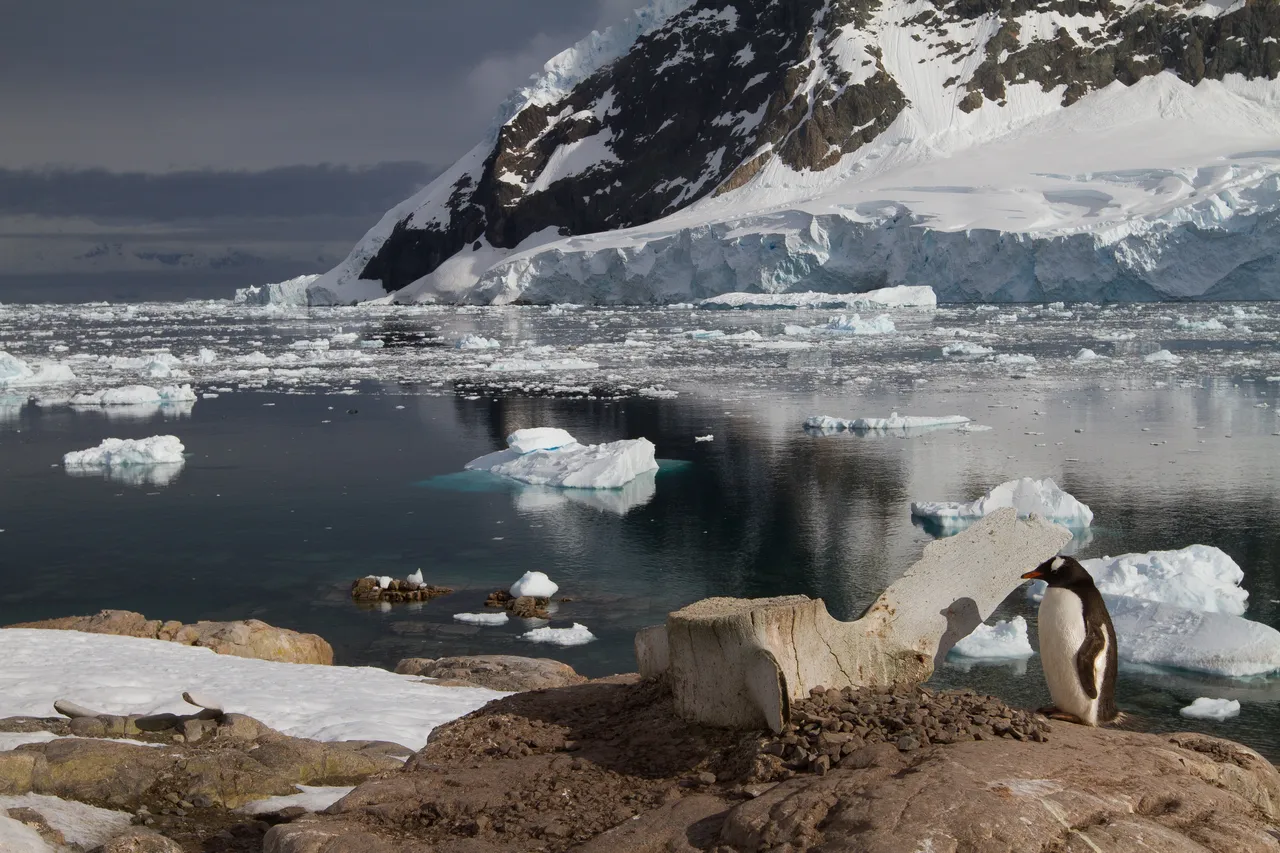
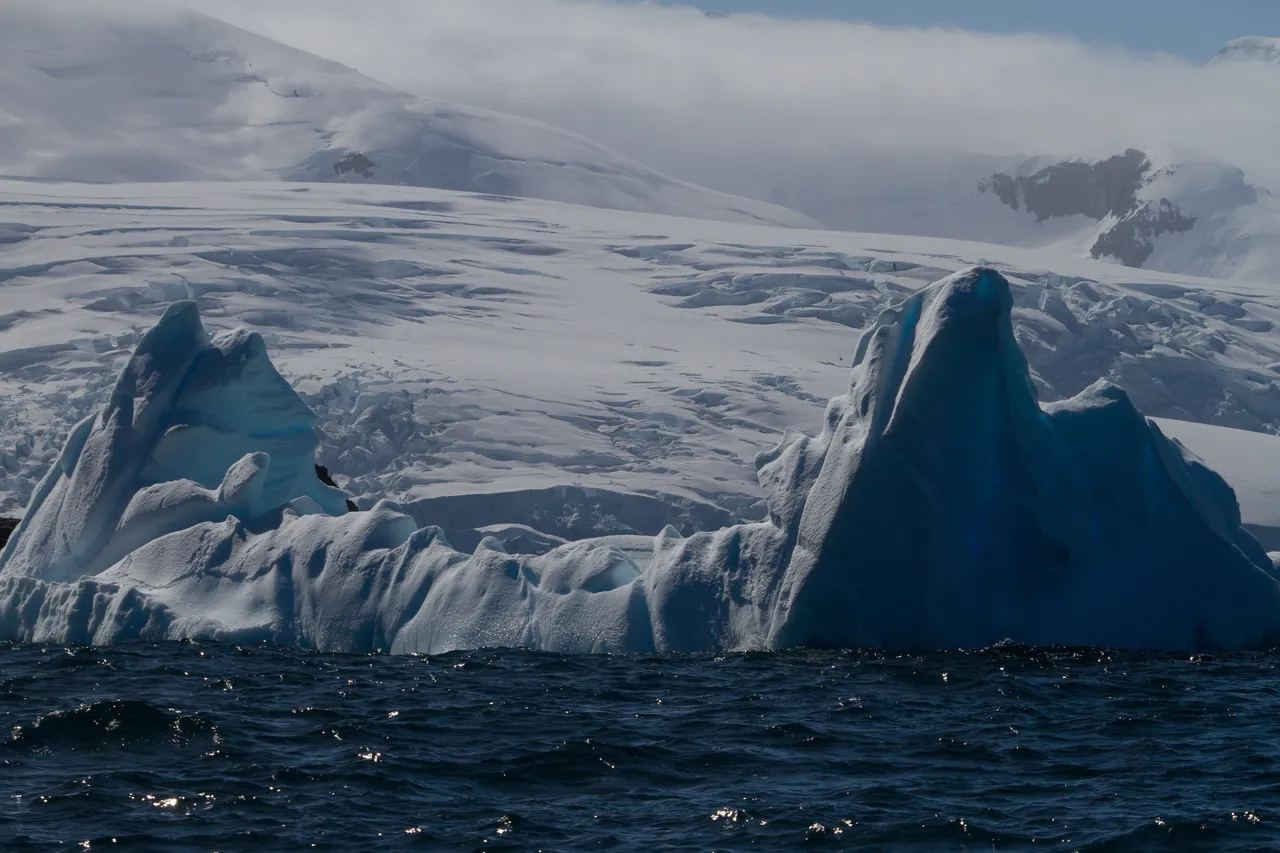
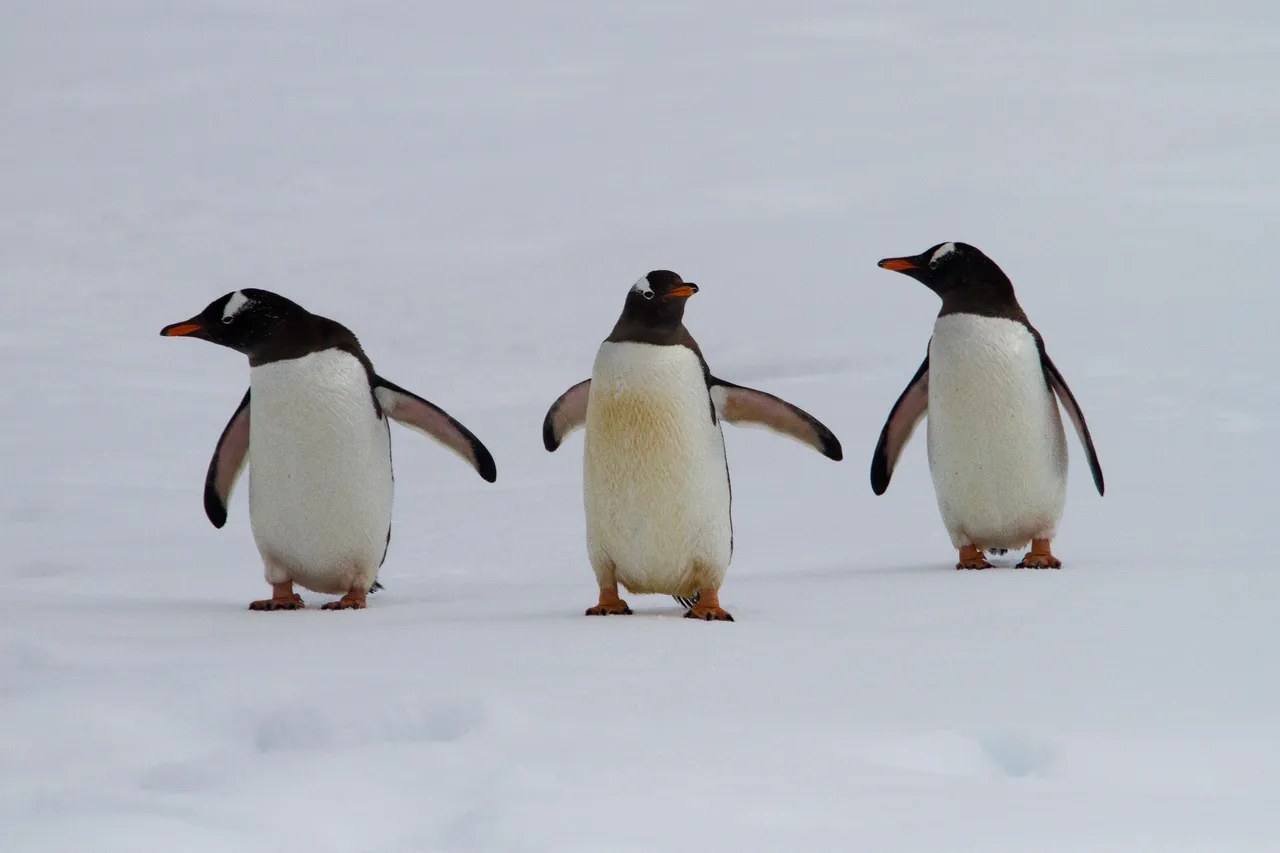
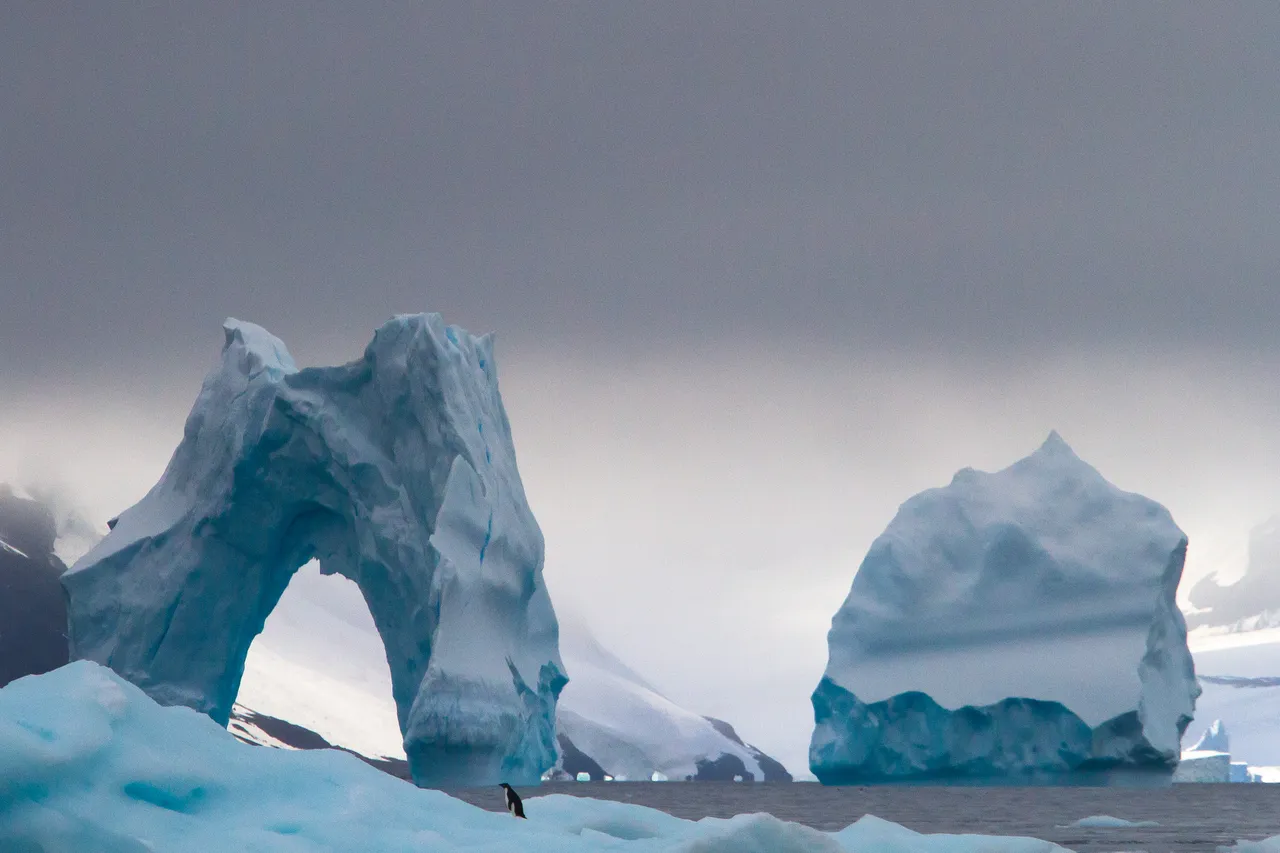
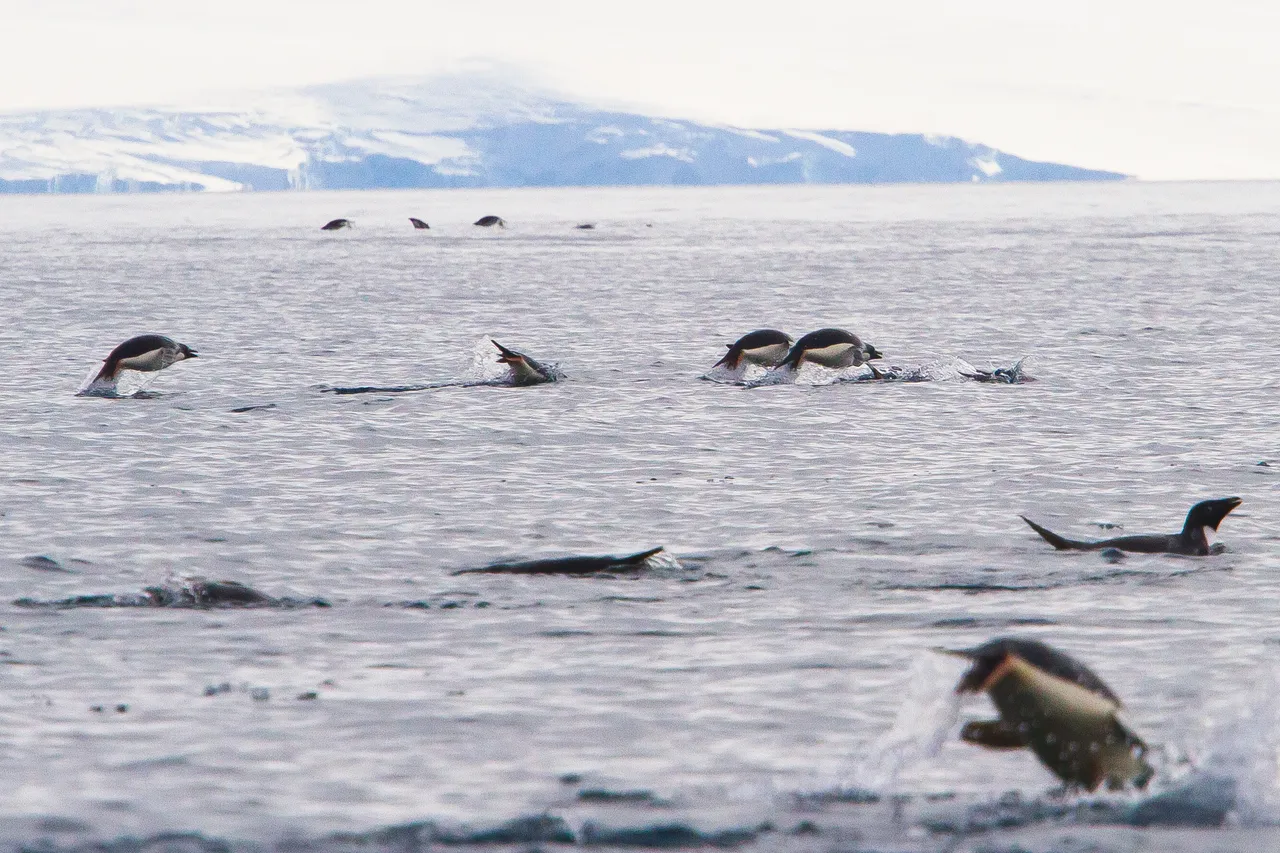
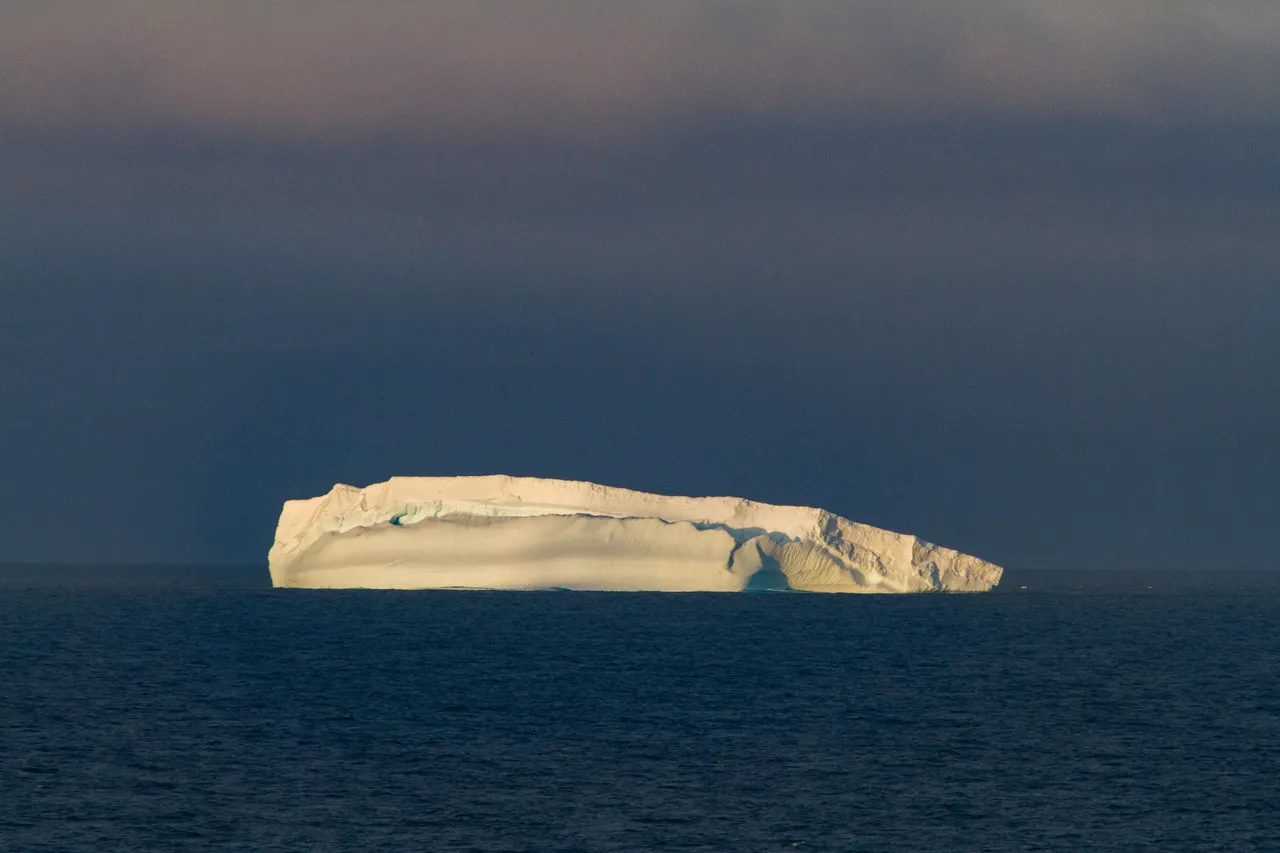
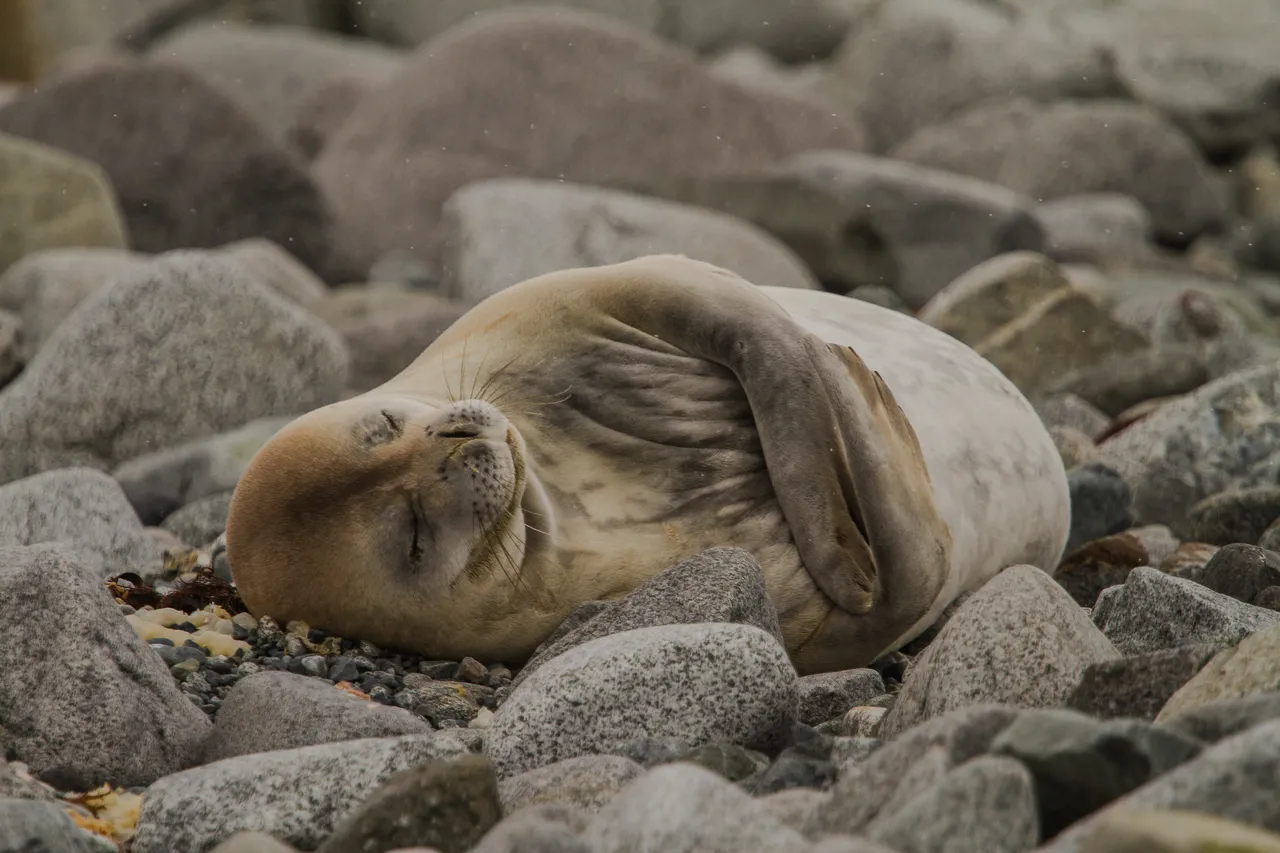
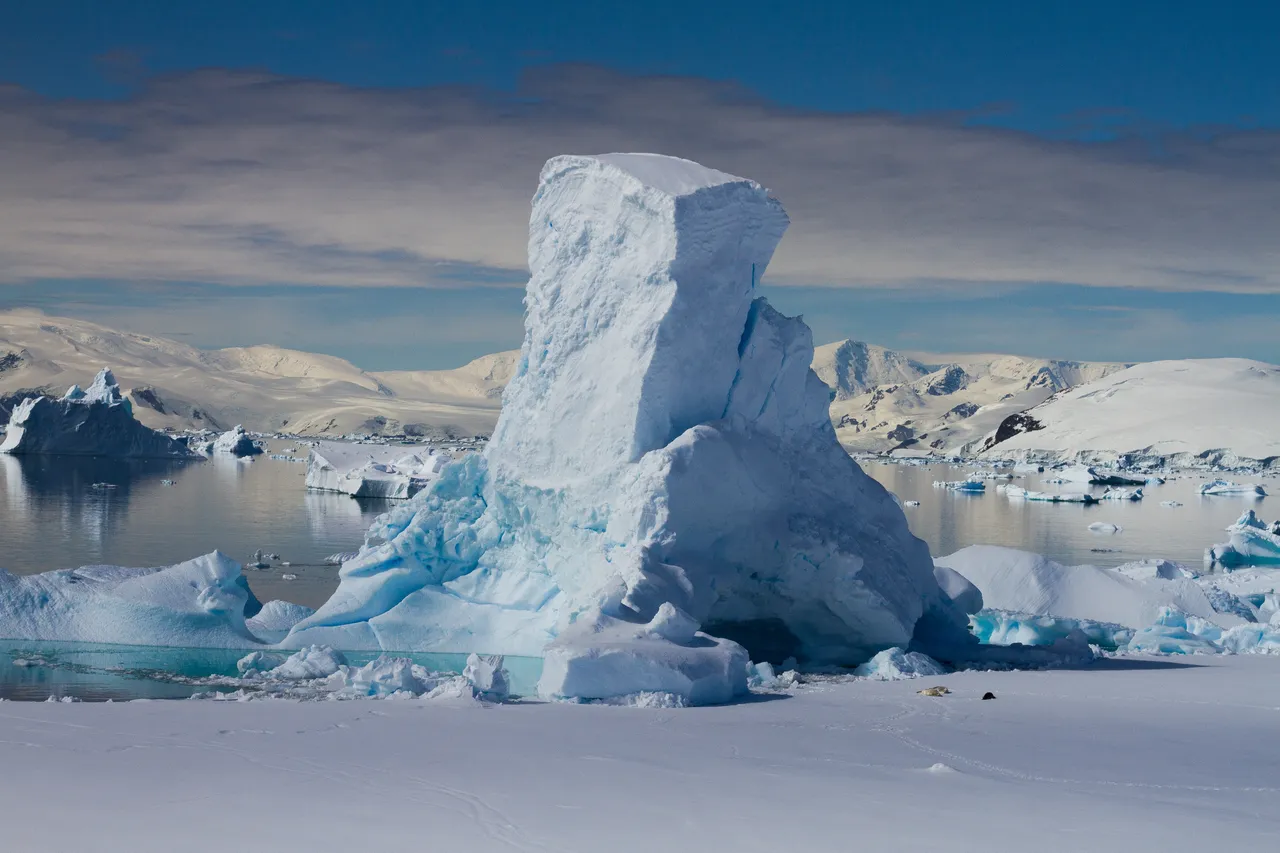
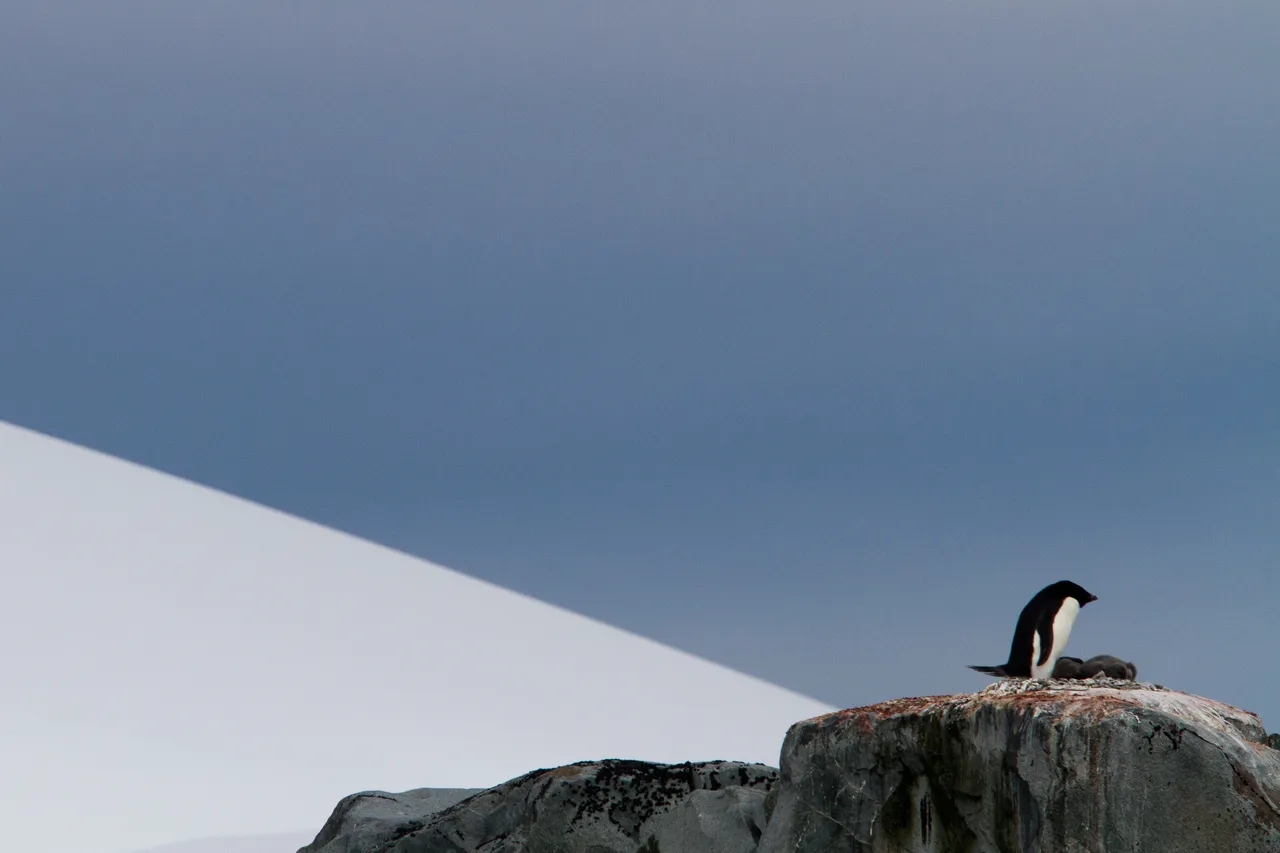
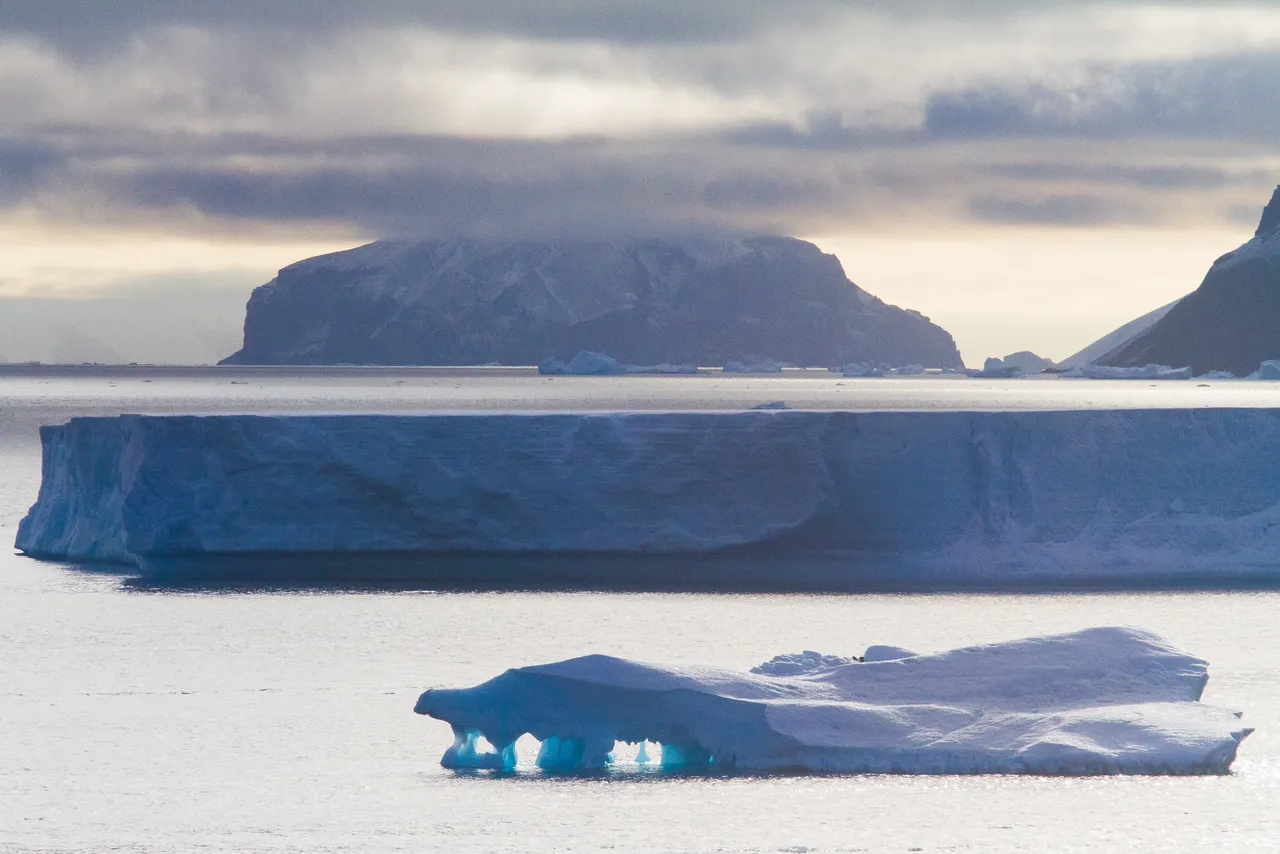
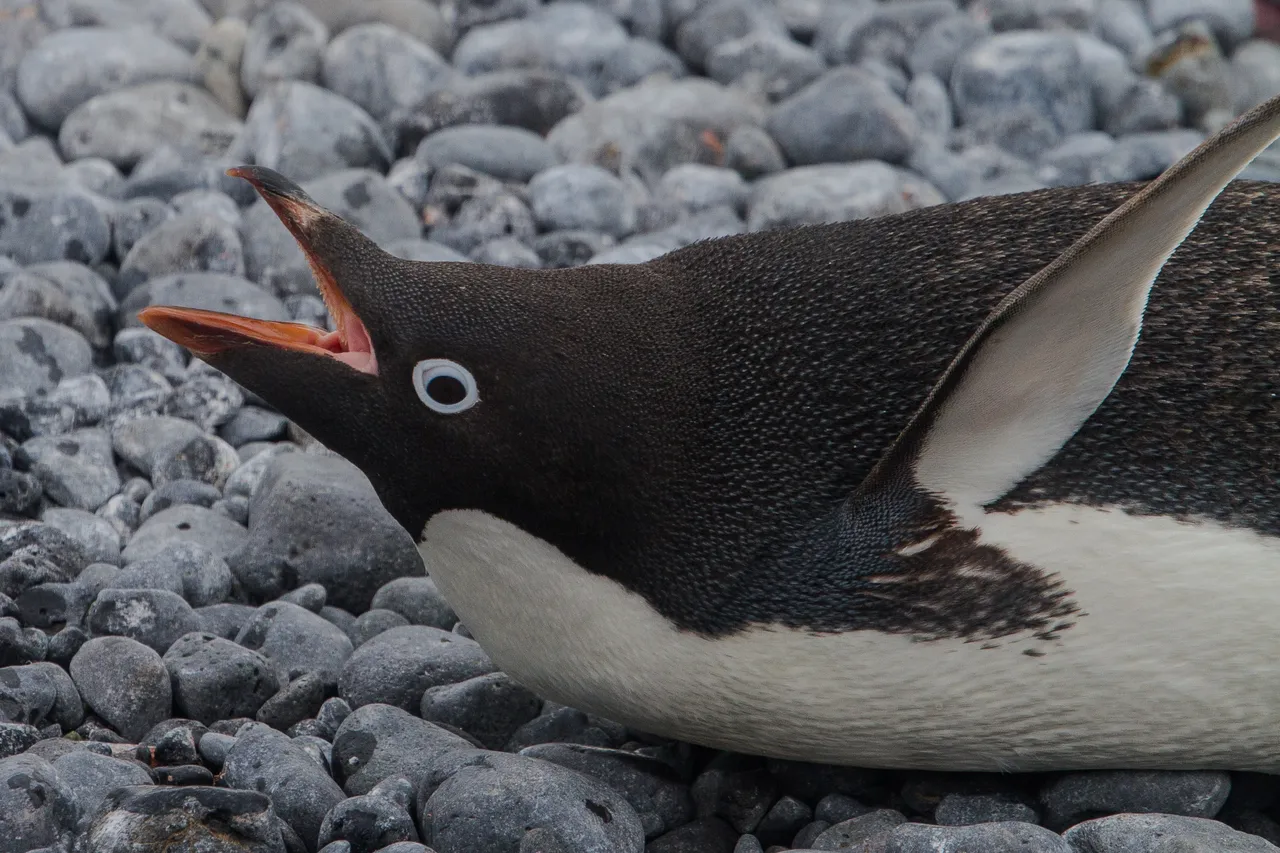
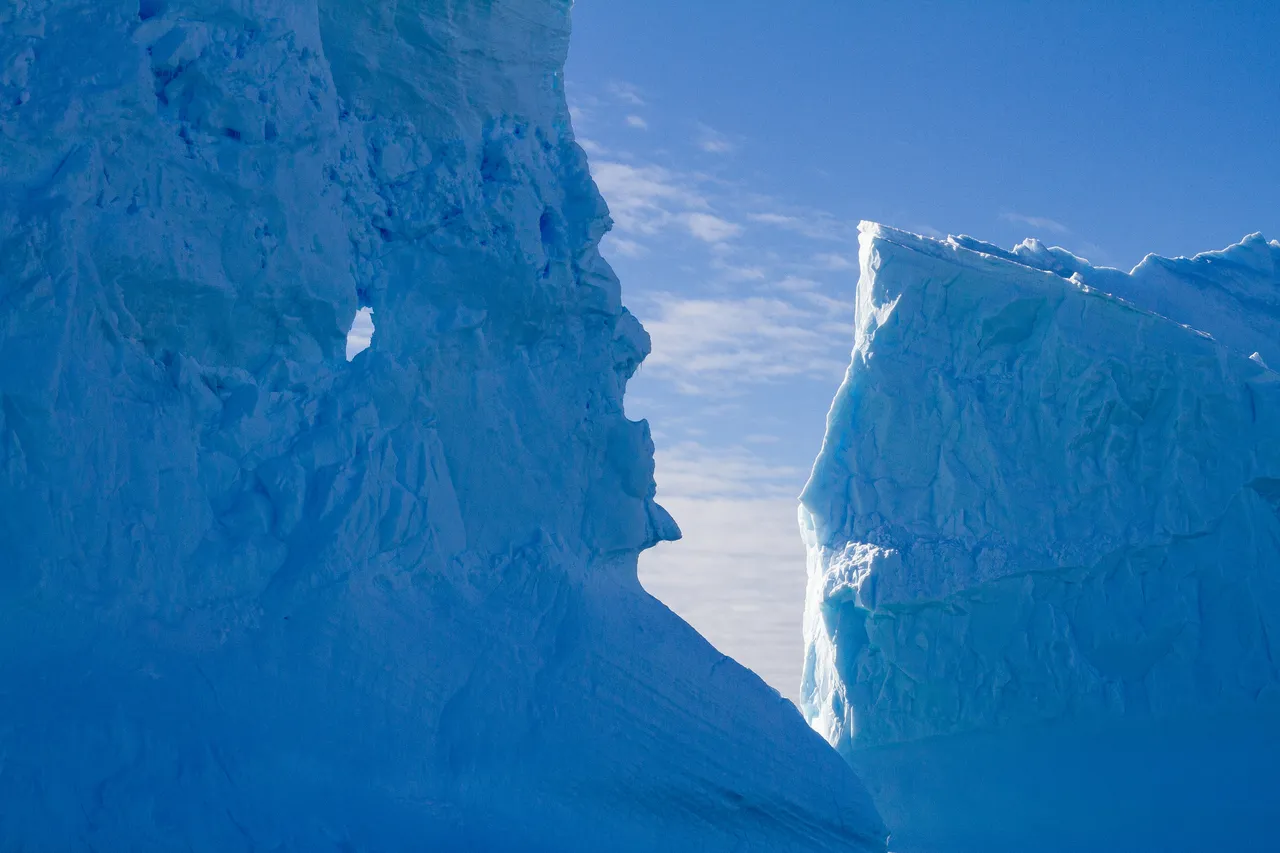
In the short southern summer, when the sun barely sets, the peninsula comes alive. Gentoo, chinstrap and Adélie penguins raise their chicks on the rocky shores, seals doze on the beaches, and glaciers calve icebergs into the sea, each one carved by wind and water into its own shape, from white to the deepest blue.