Battle of Oranges
Ivrea, Italy, 2018
Three days a year, a town in the Alpine foothills goes to war with oranges.
Ivrea is a quiet town in the foothills of the Alps, north of Turin. For three days before Lent, on the Sunday, Monday and Tuesday of Carnival, it fights the largest food fight in Italy: the Battle of the Oranges.
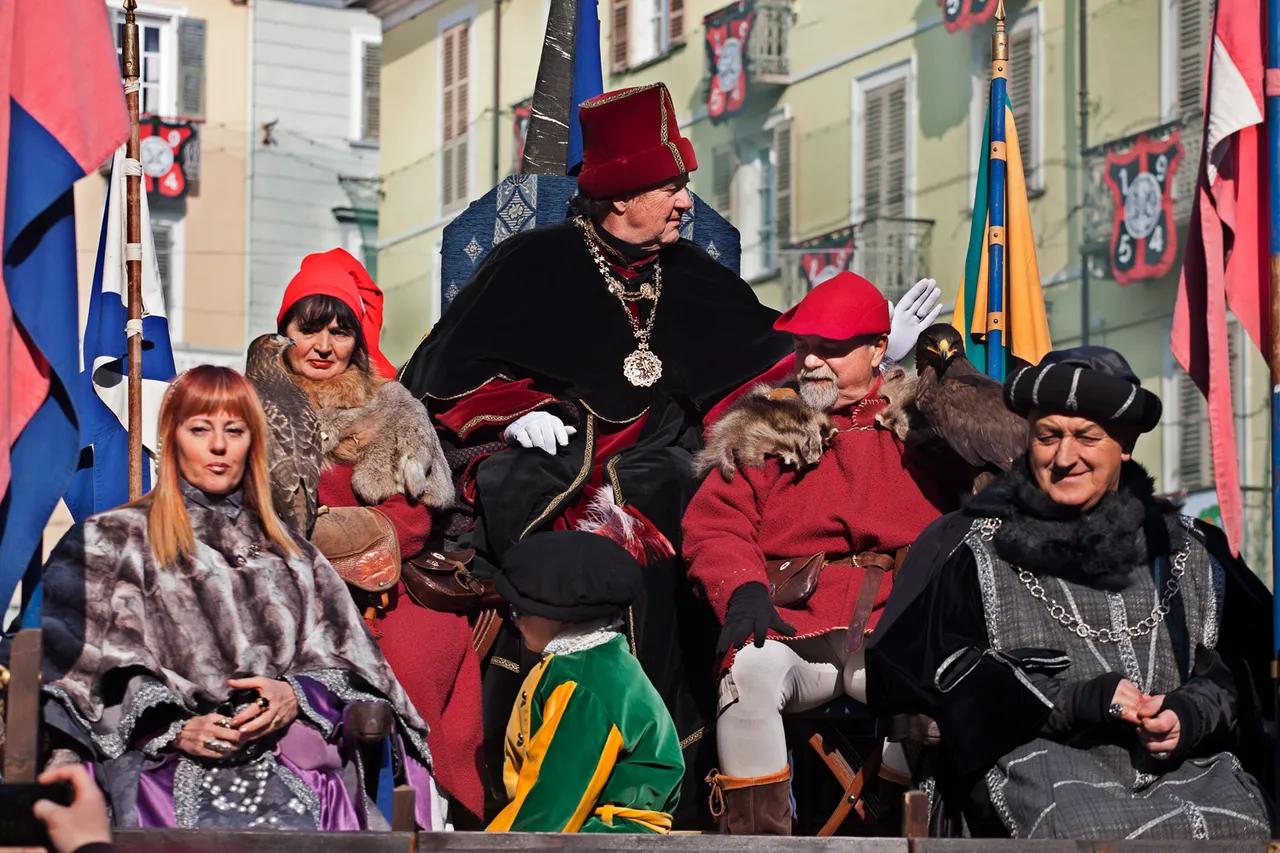
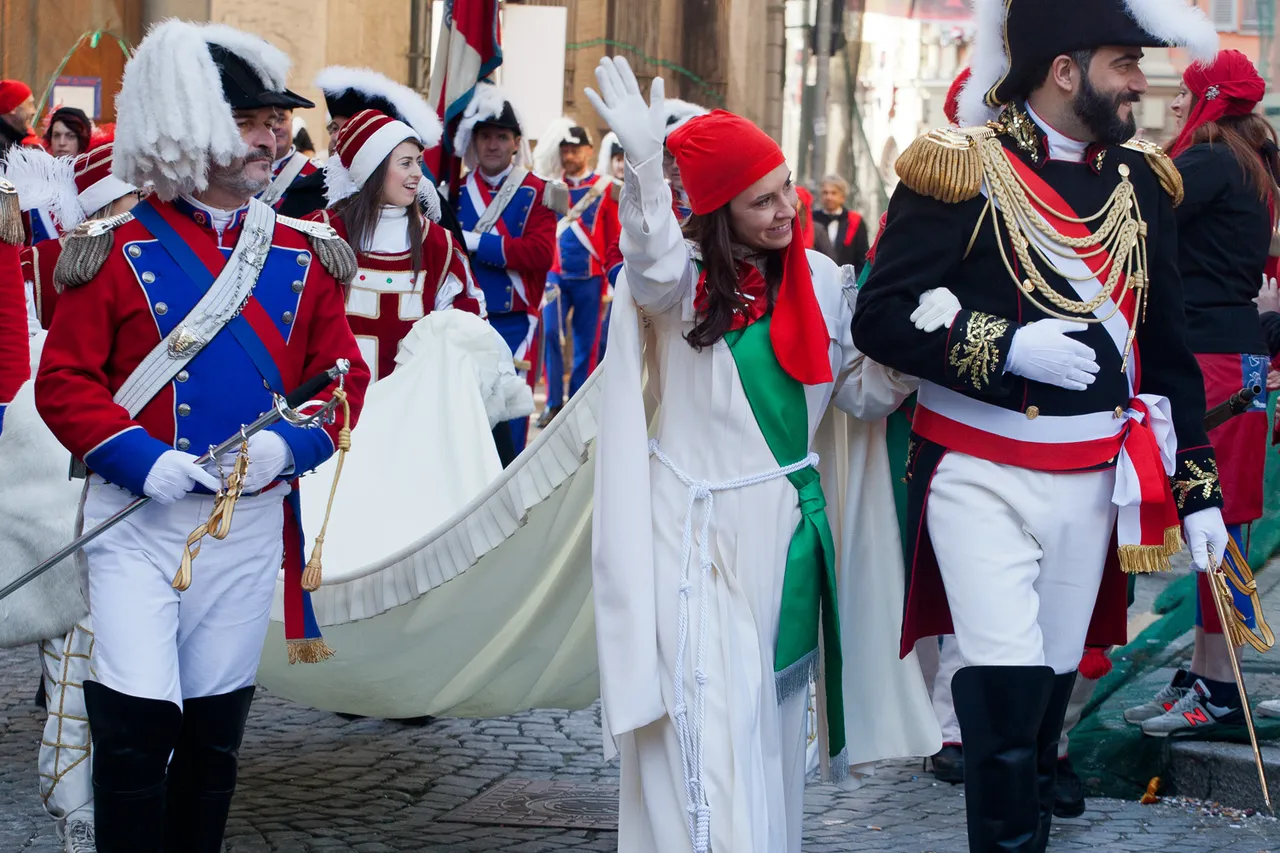
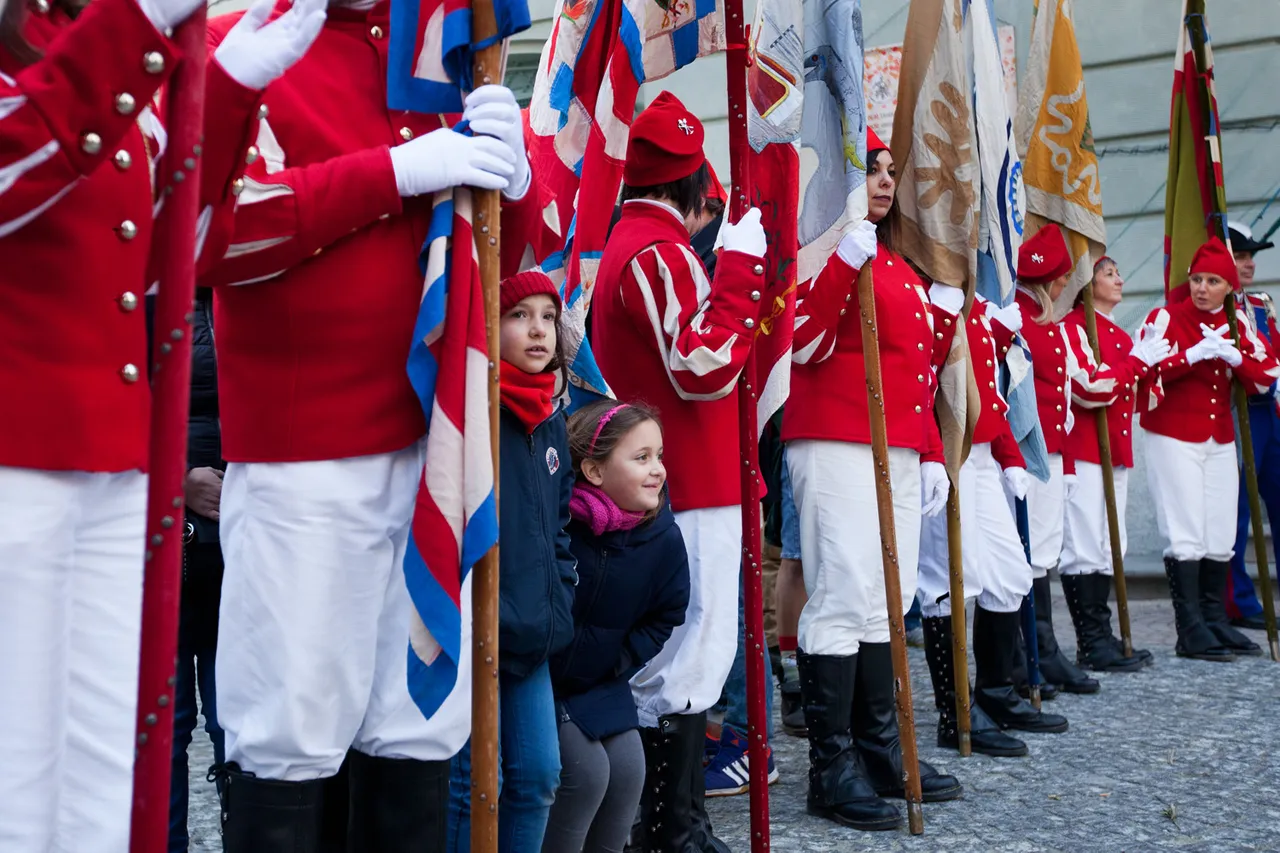
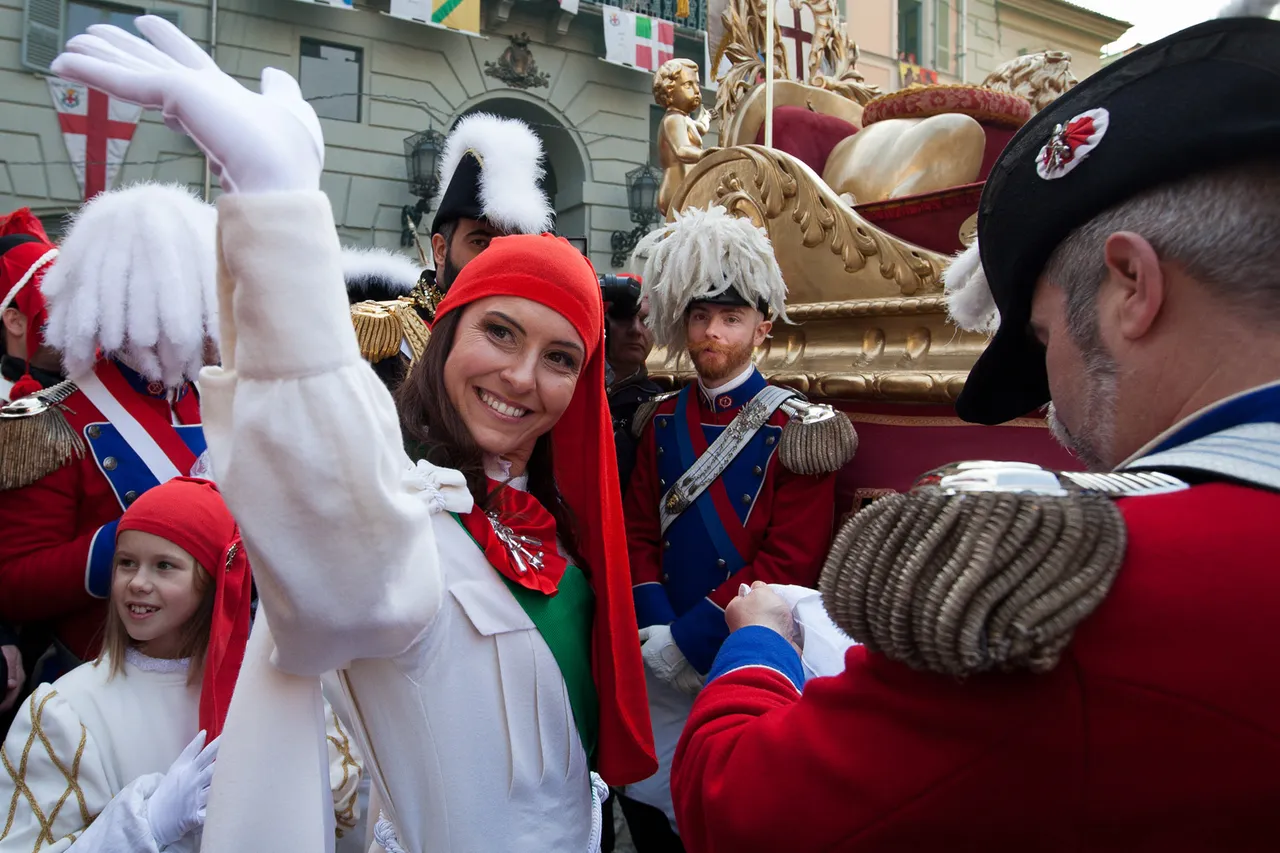
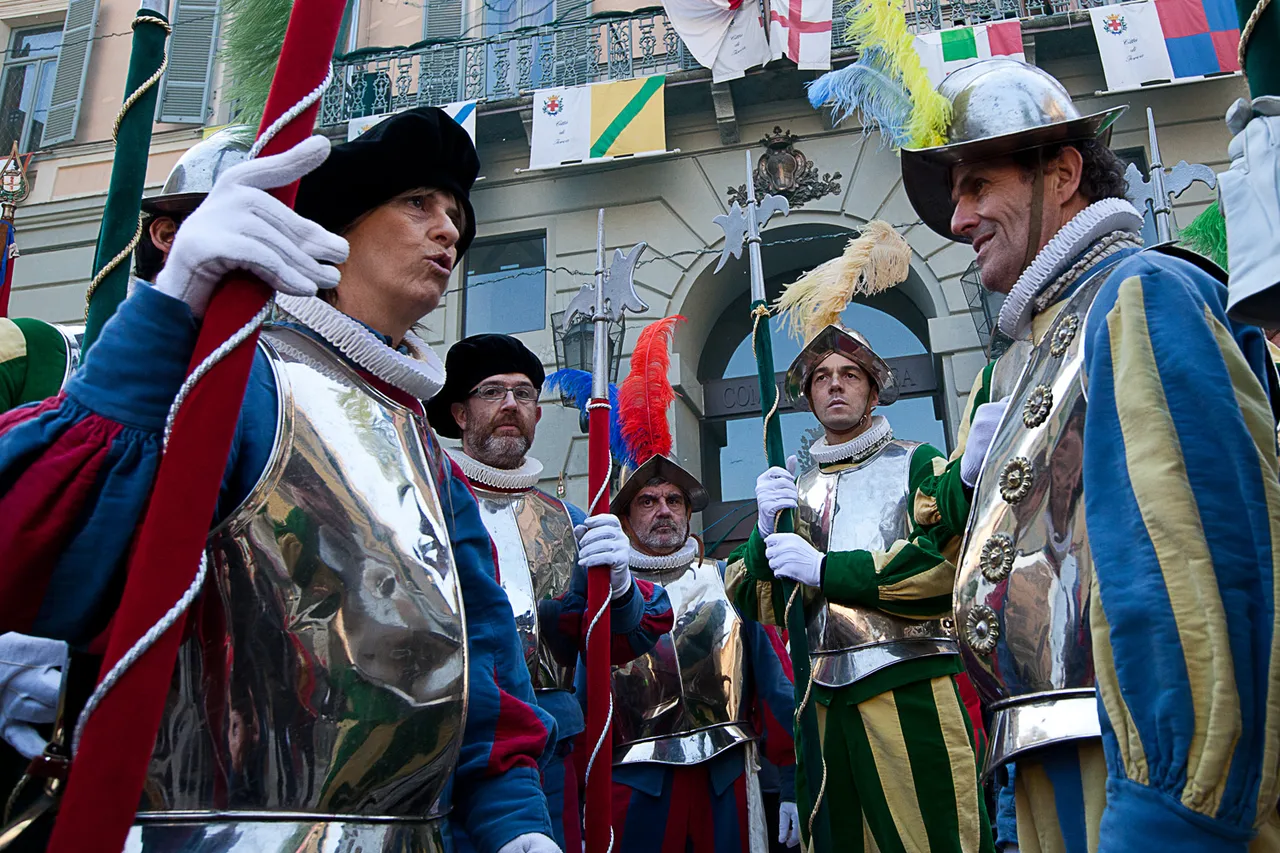
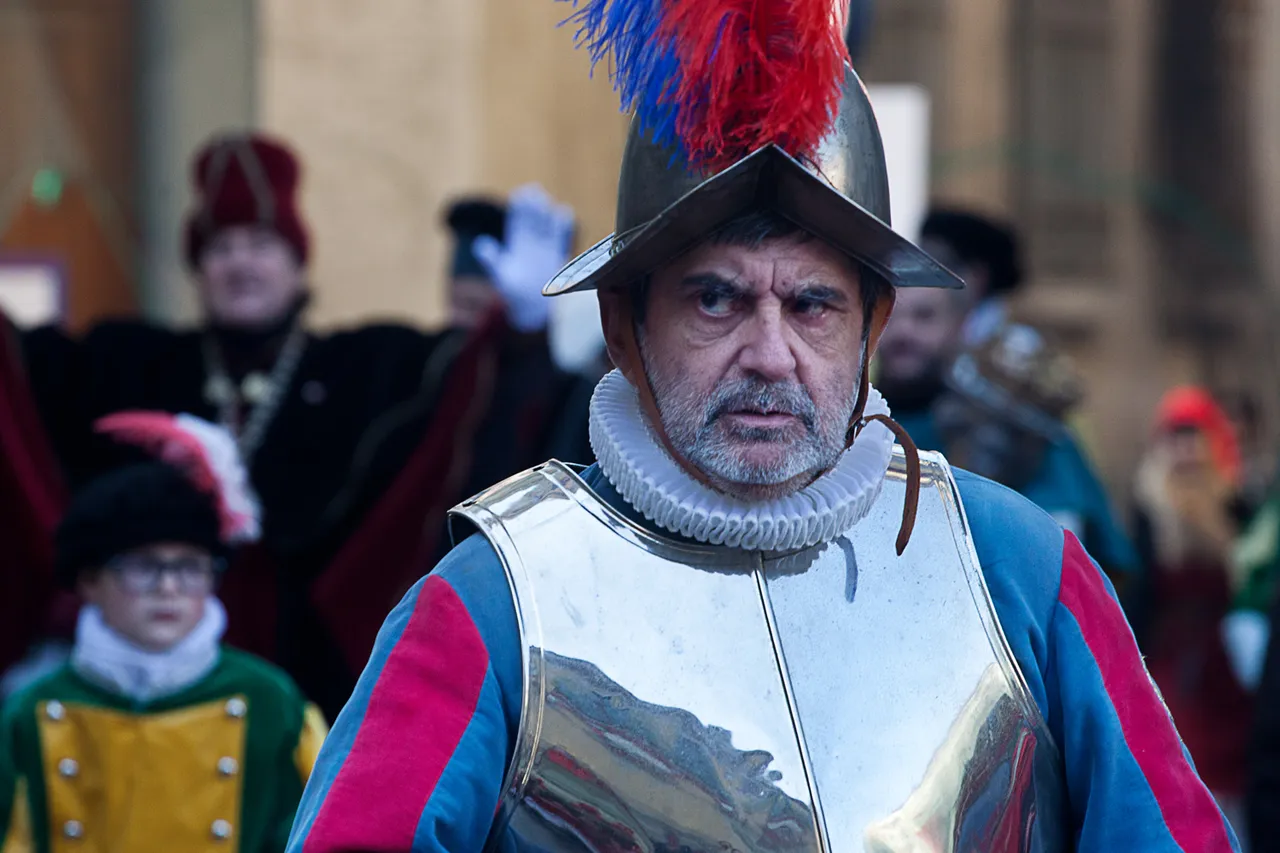
The story behind it is medieval. A tyrant claimed the right to spend the wedding night with Violetta, a miller's daughter; she cut off his head instead, and the people stormed and burned his castle. Every year the town chooses a woman to play the Mugnaia, the miller's daughter, who rides through the streets in white with a red cap, waving to the crowd. Beside her ride the General and his staff in Napoleonic uniforms, added when the French ruled the region, and officials in Renaissance armour and ruffs.
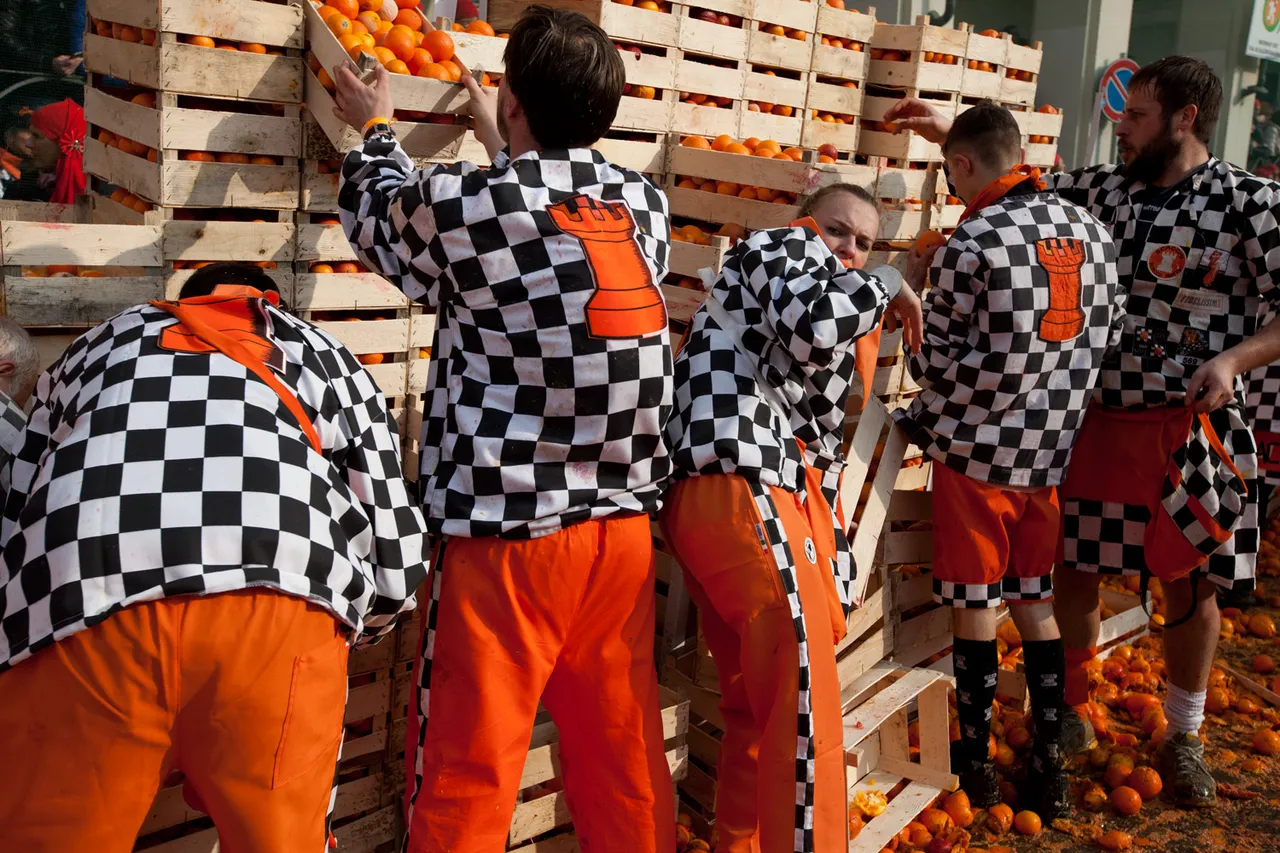
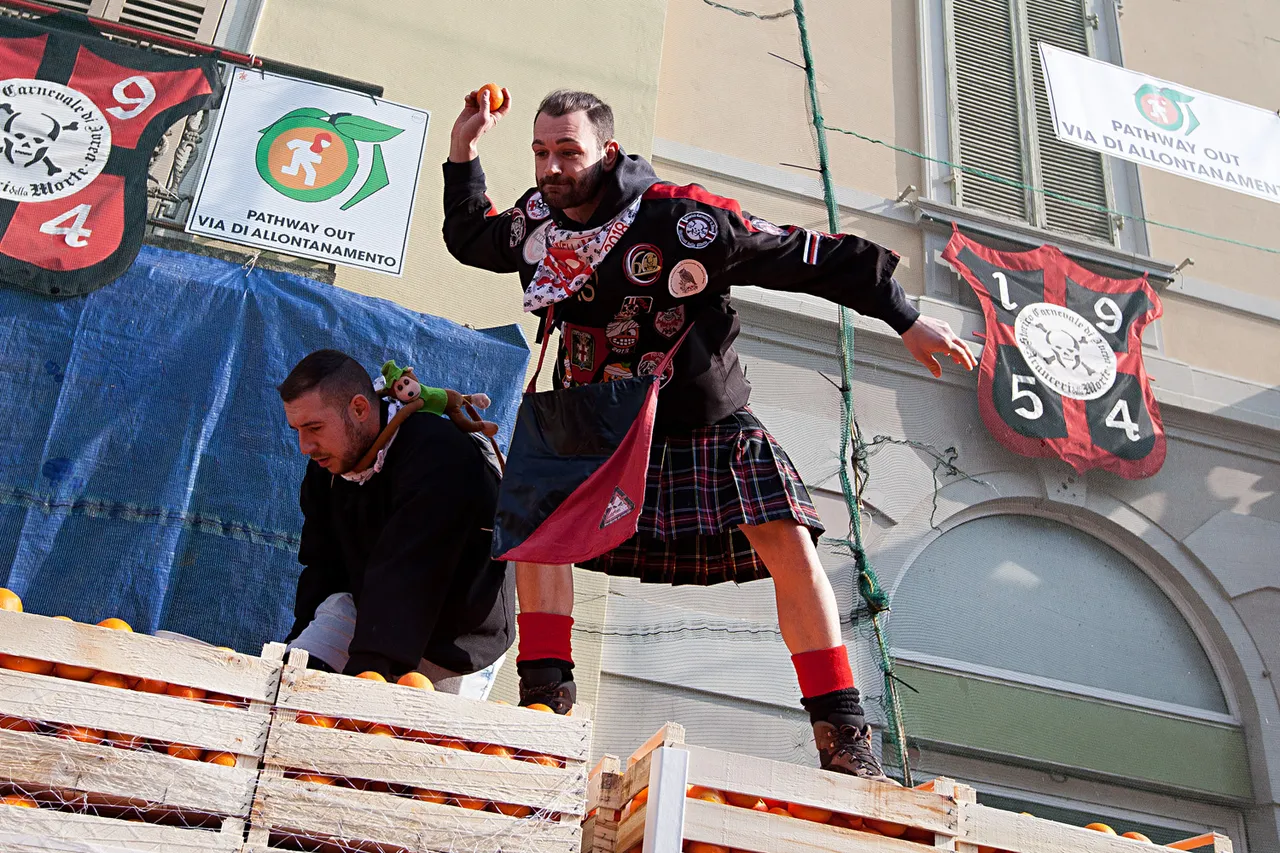
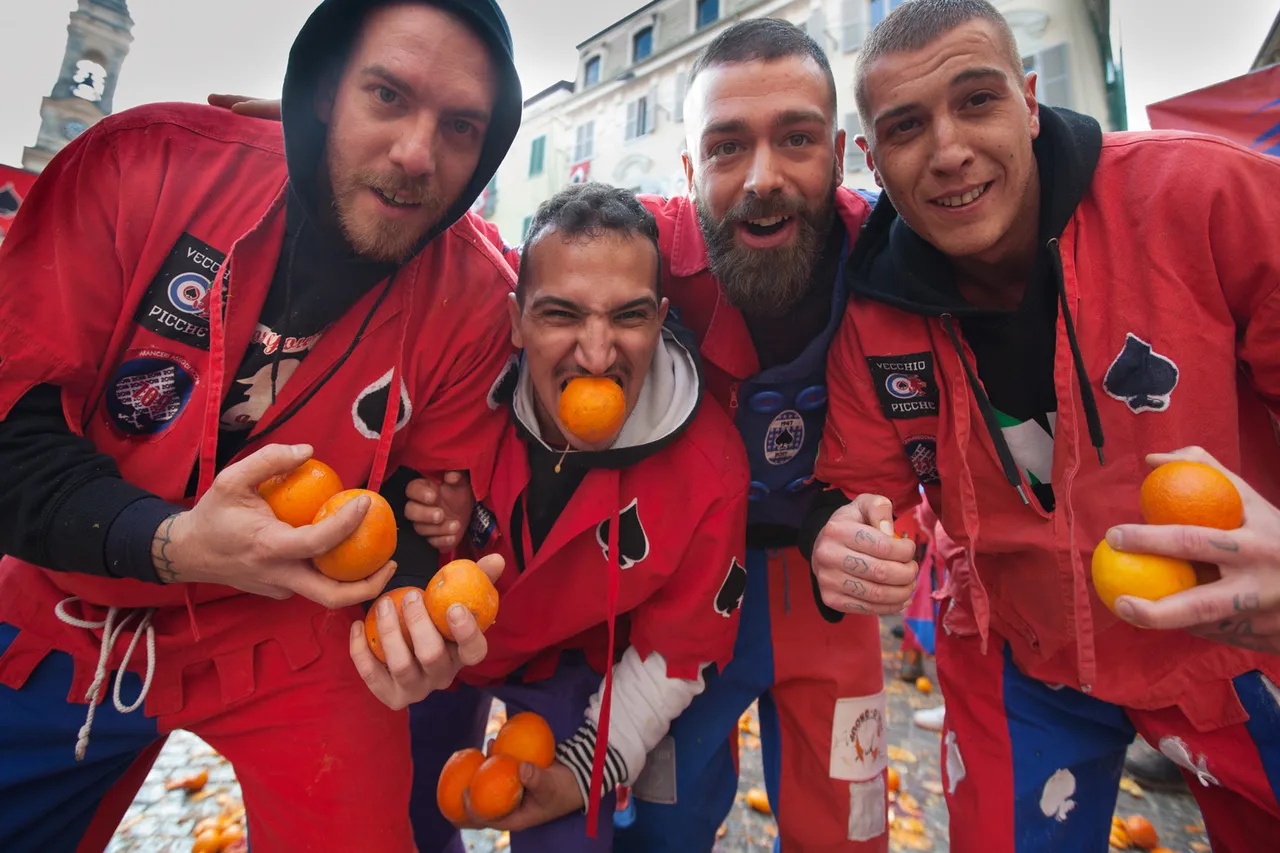
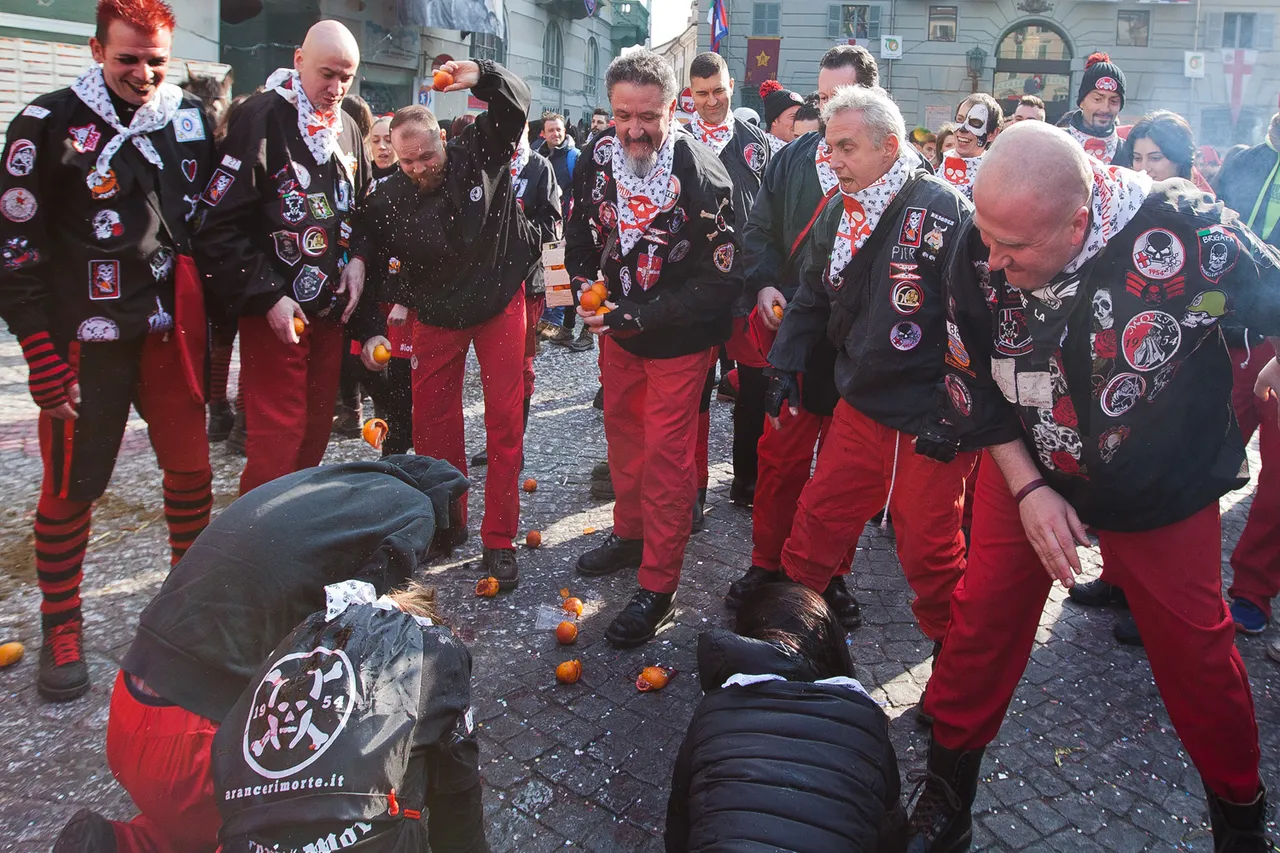
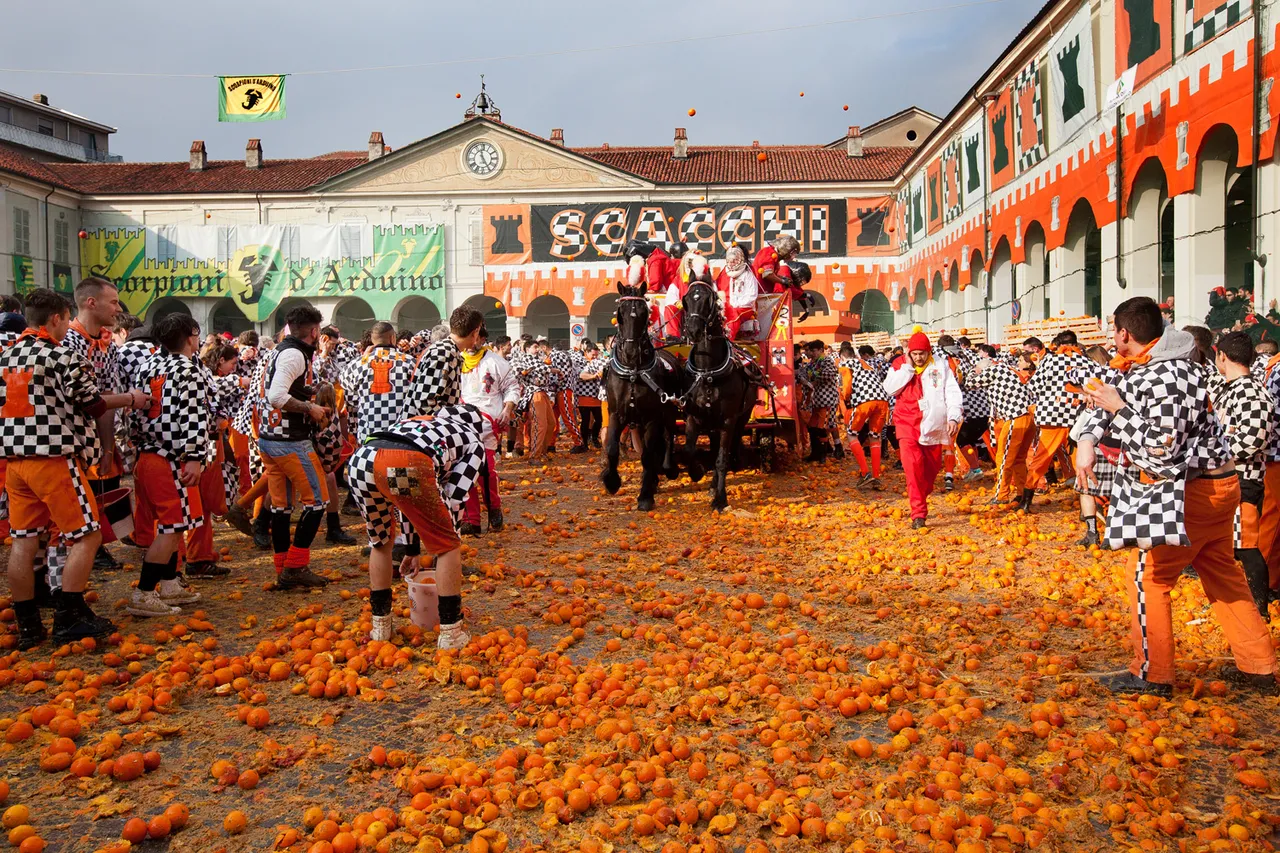
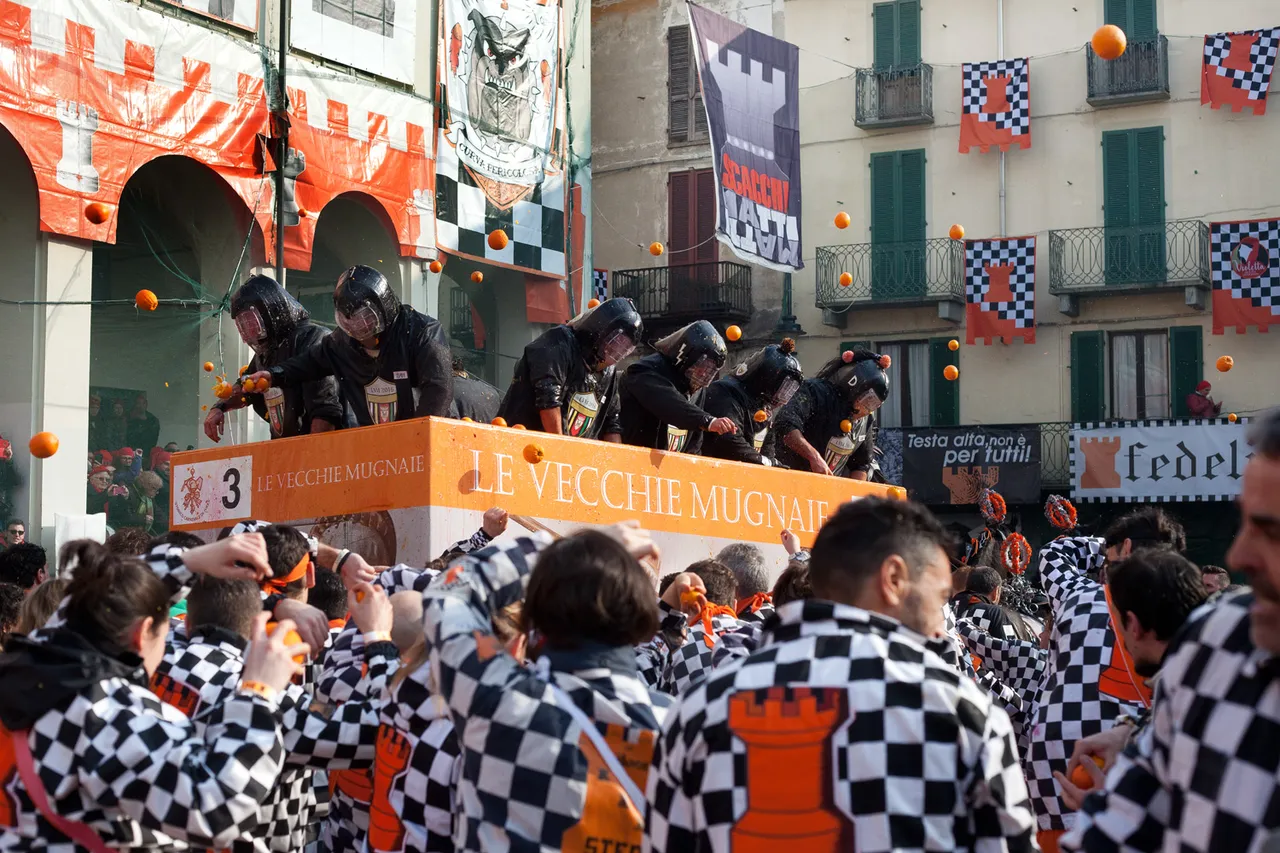
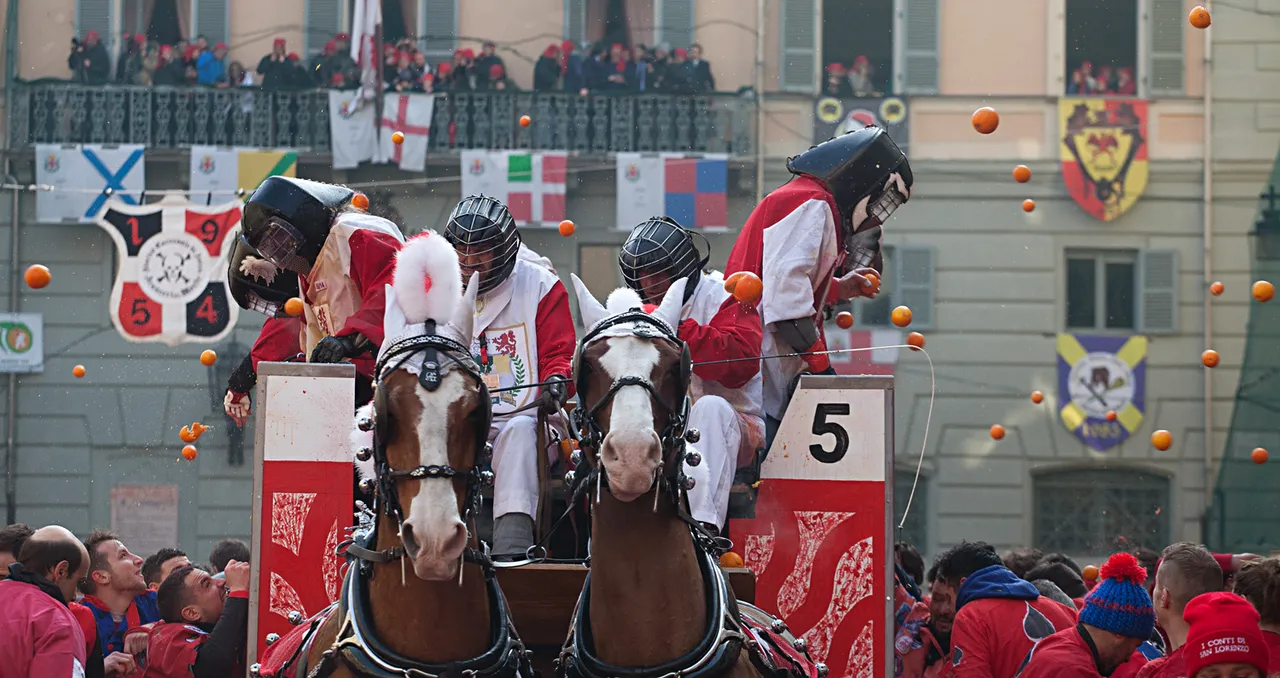
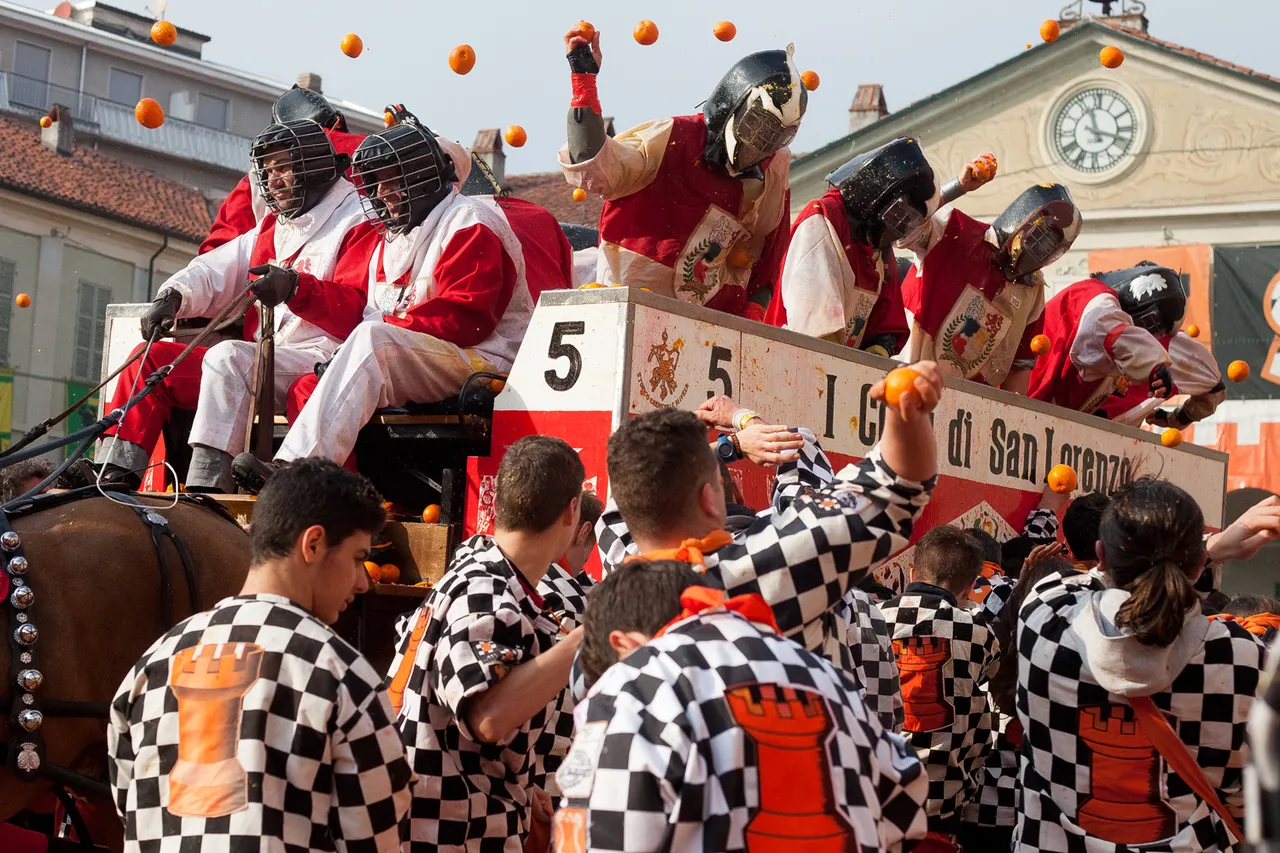
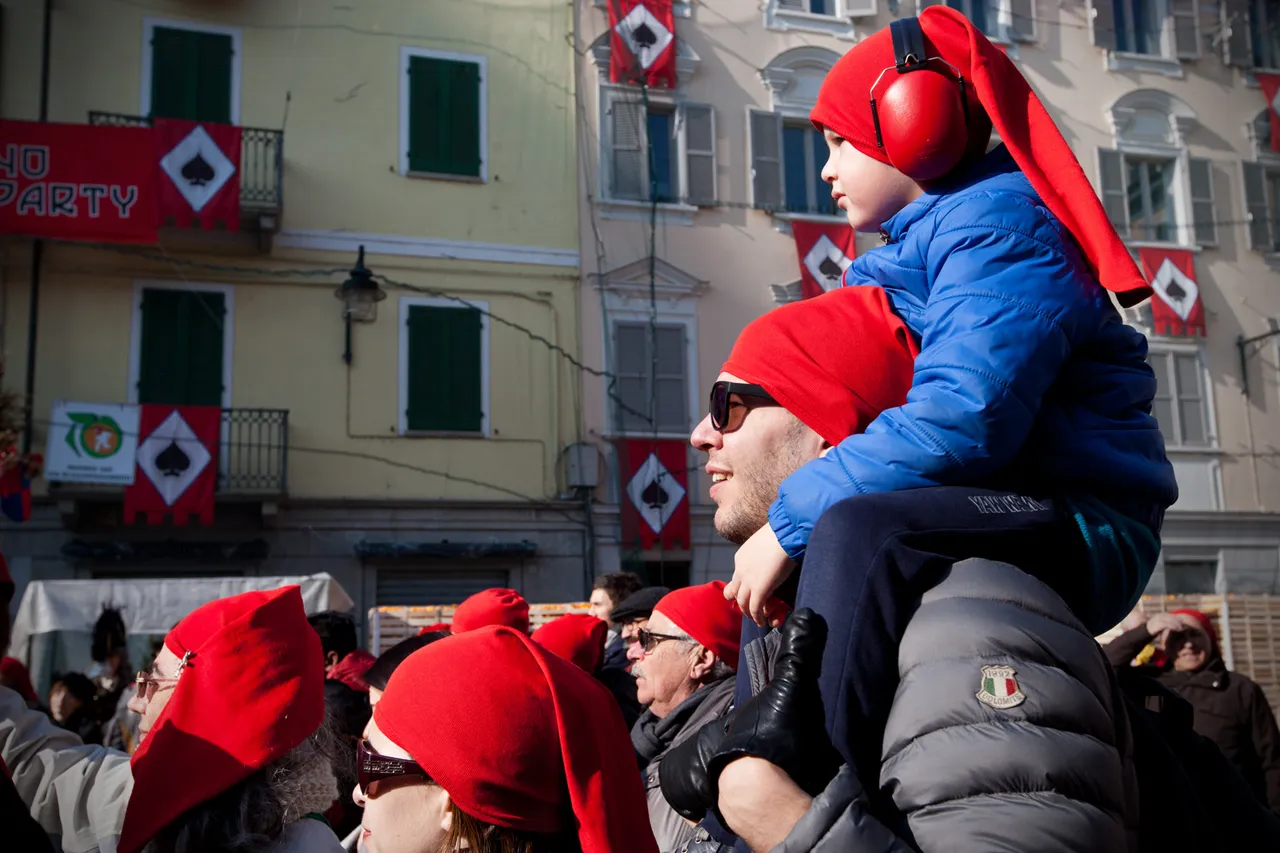
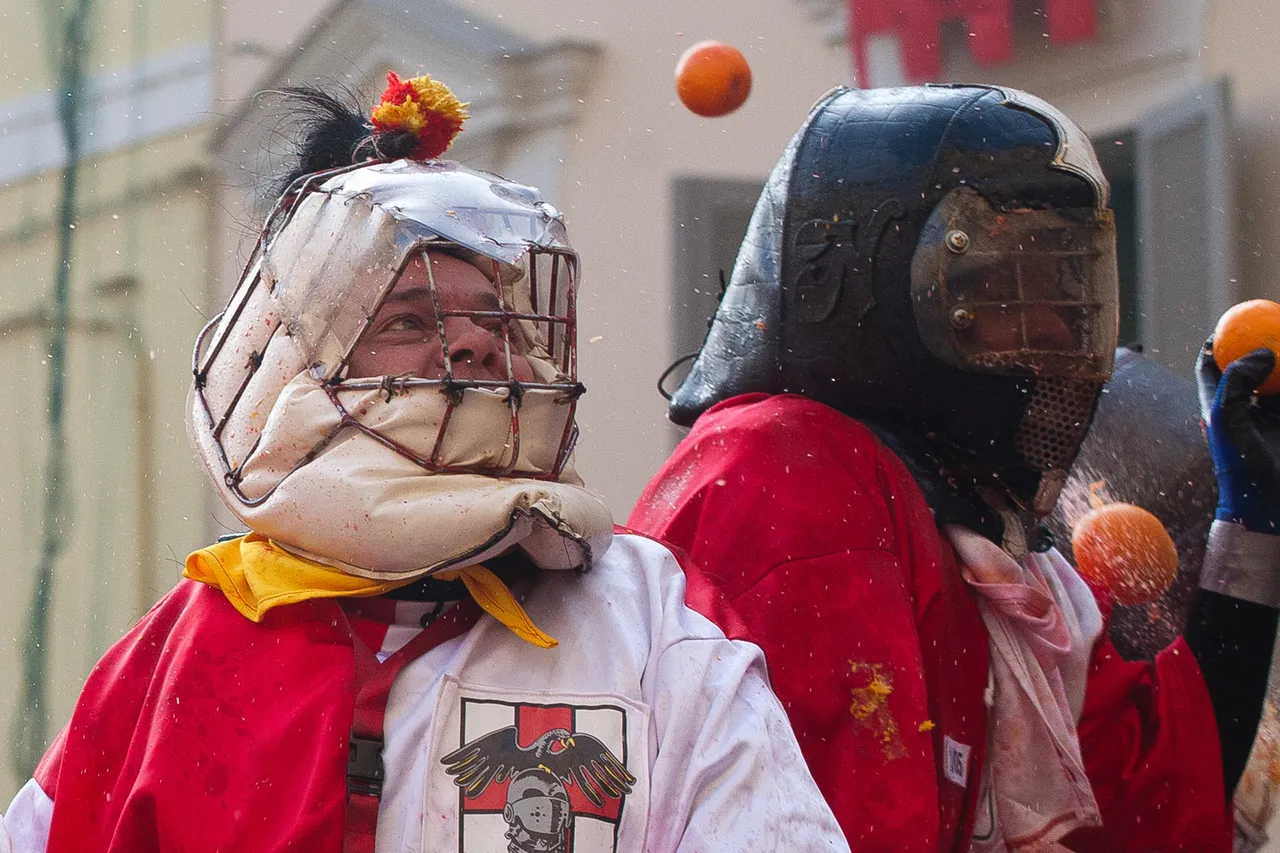
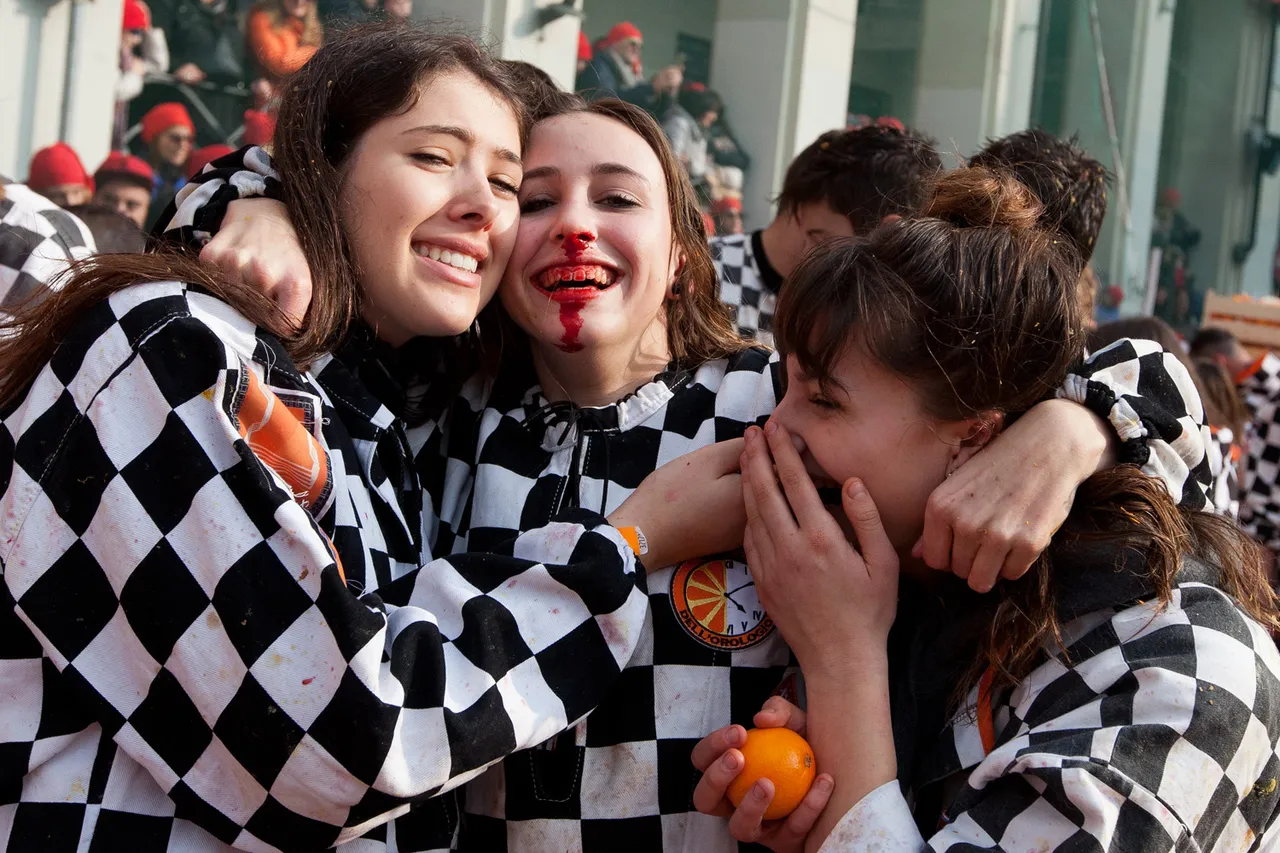
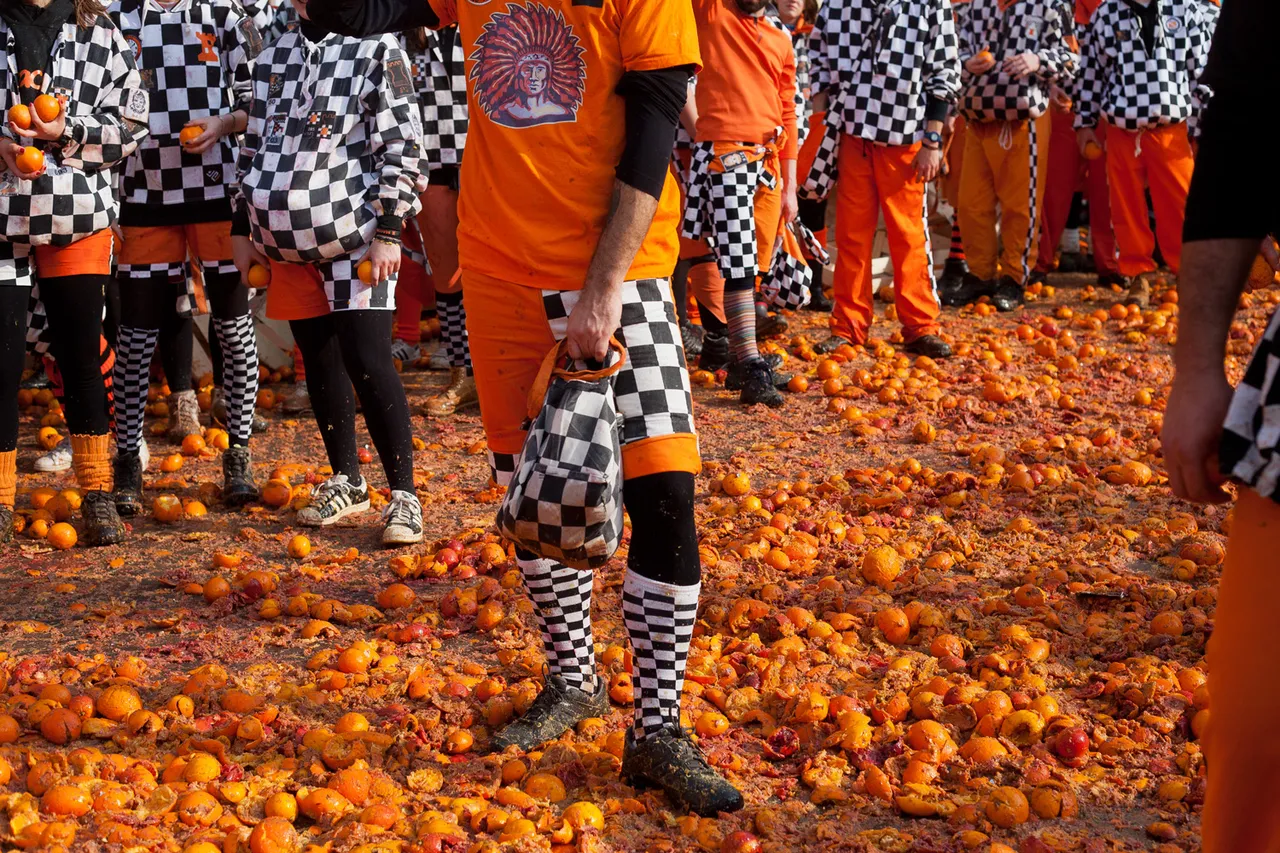
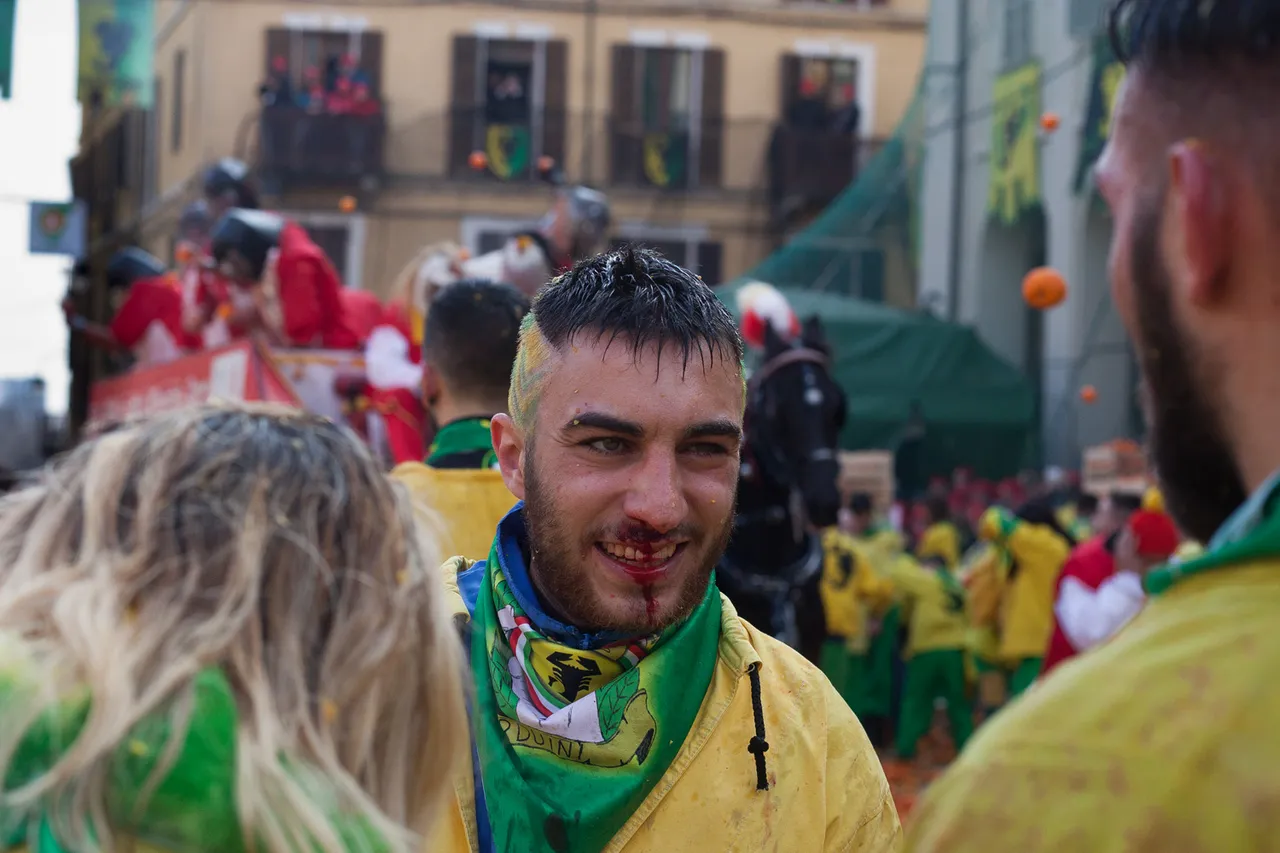
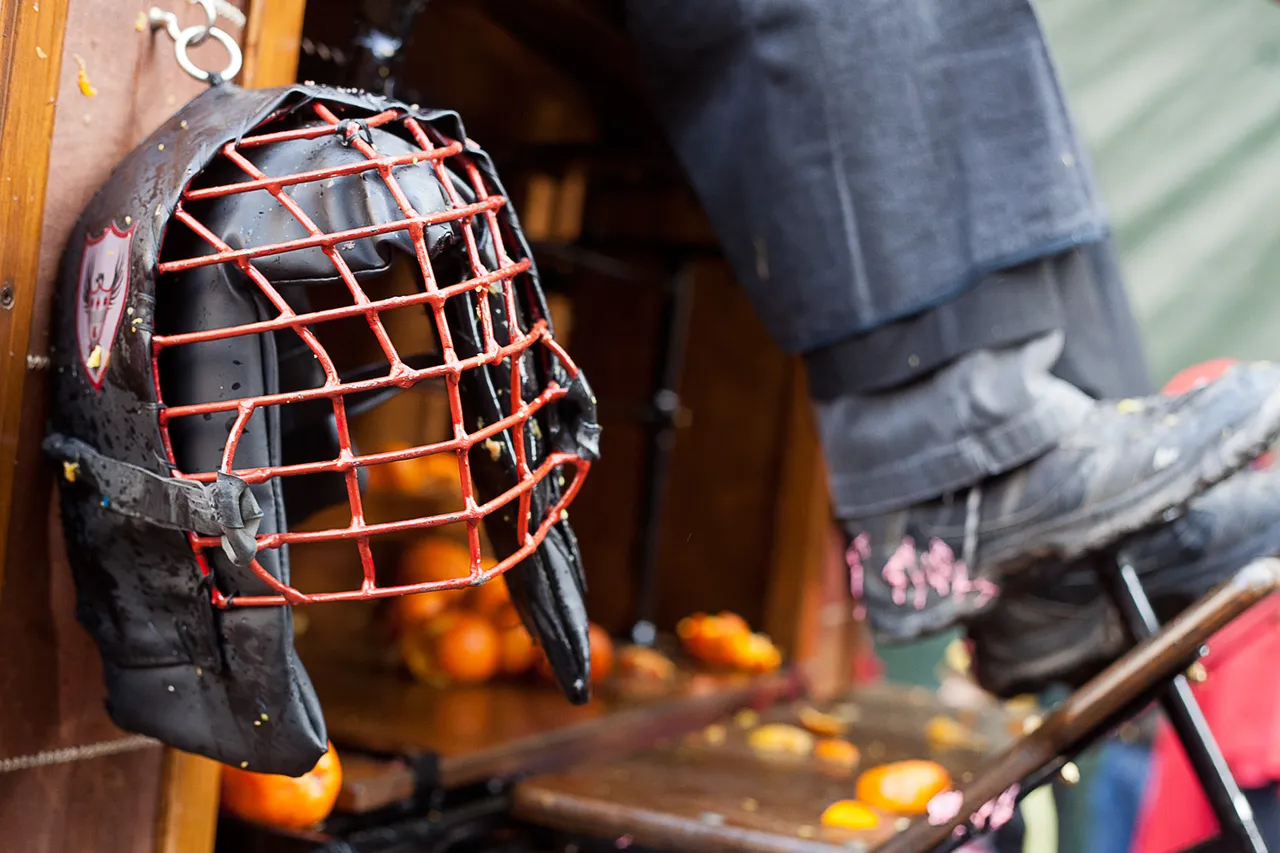
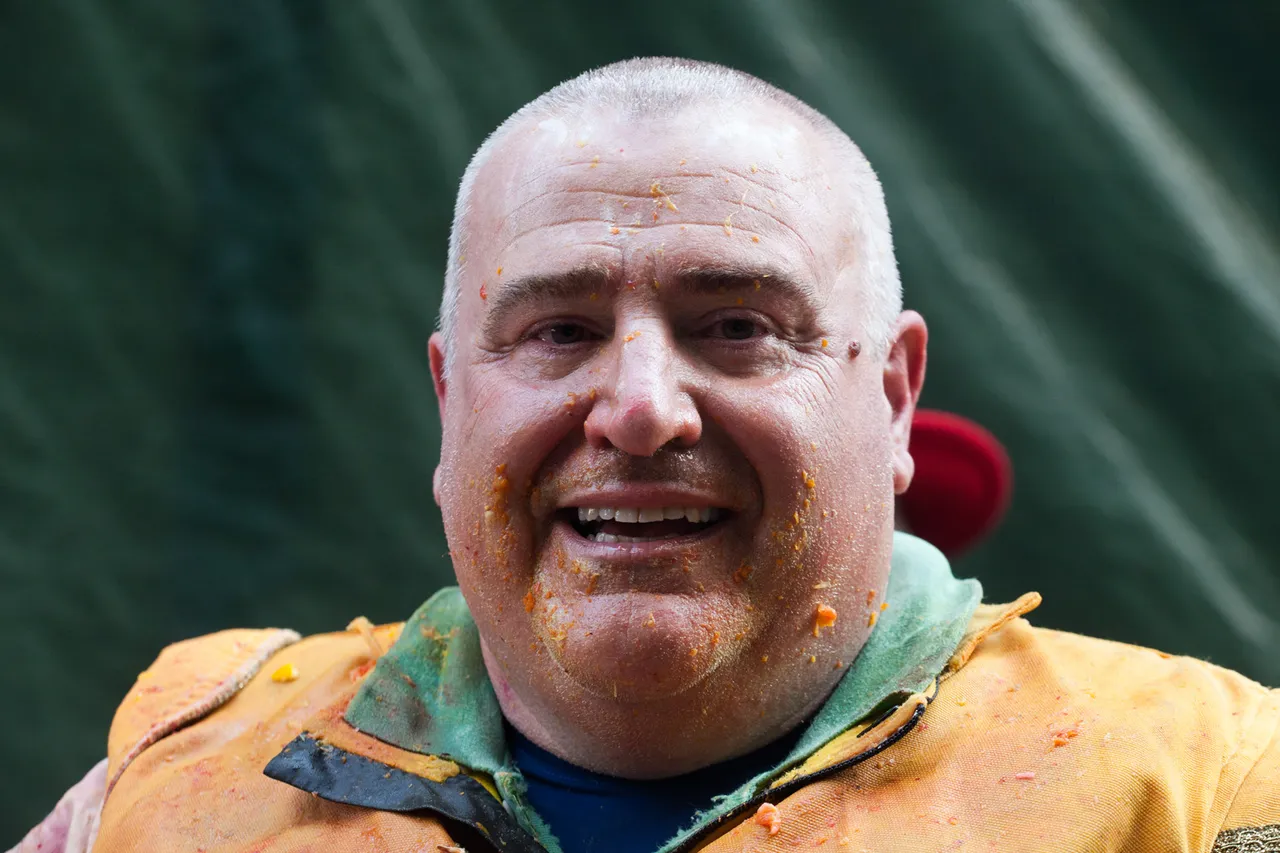
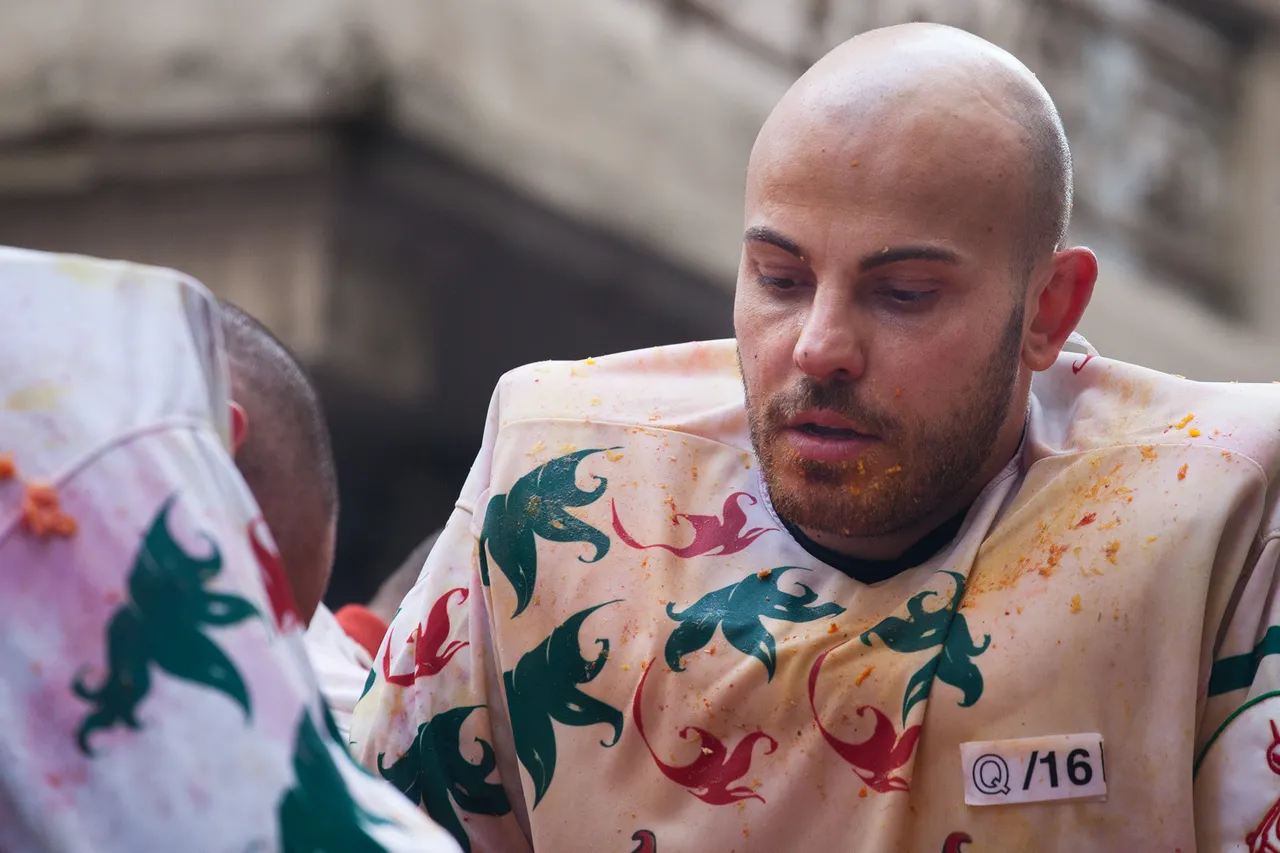
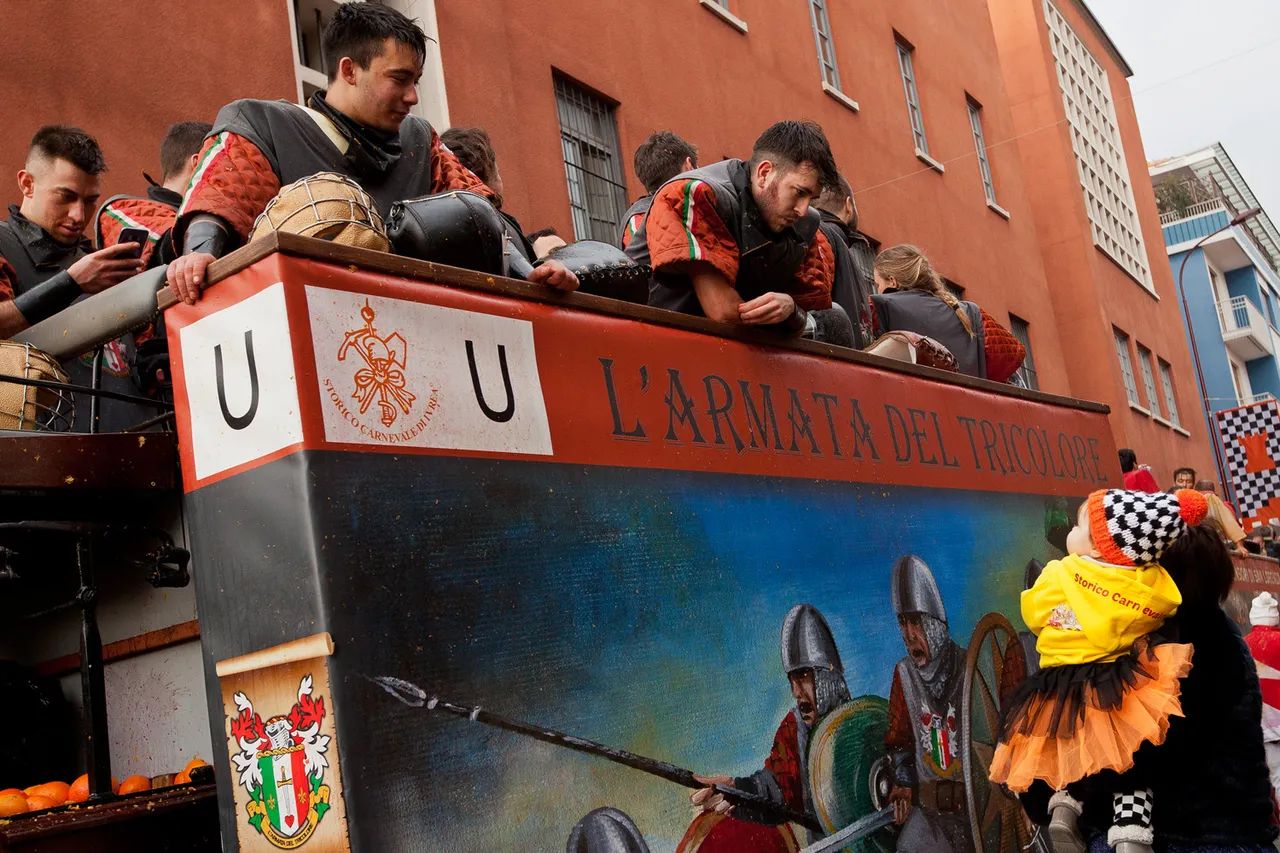
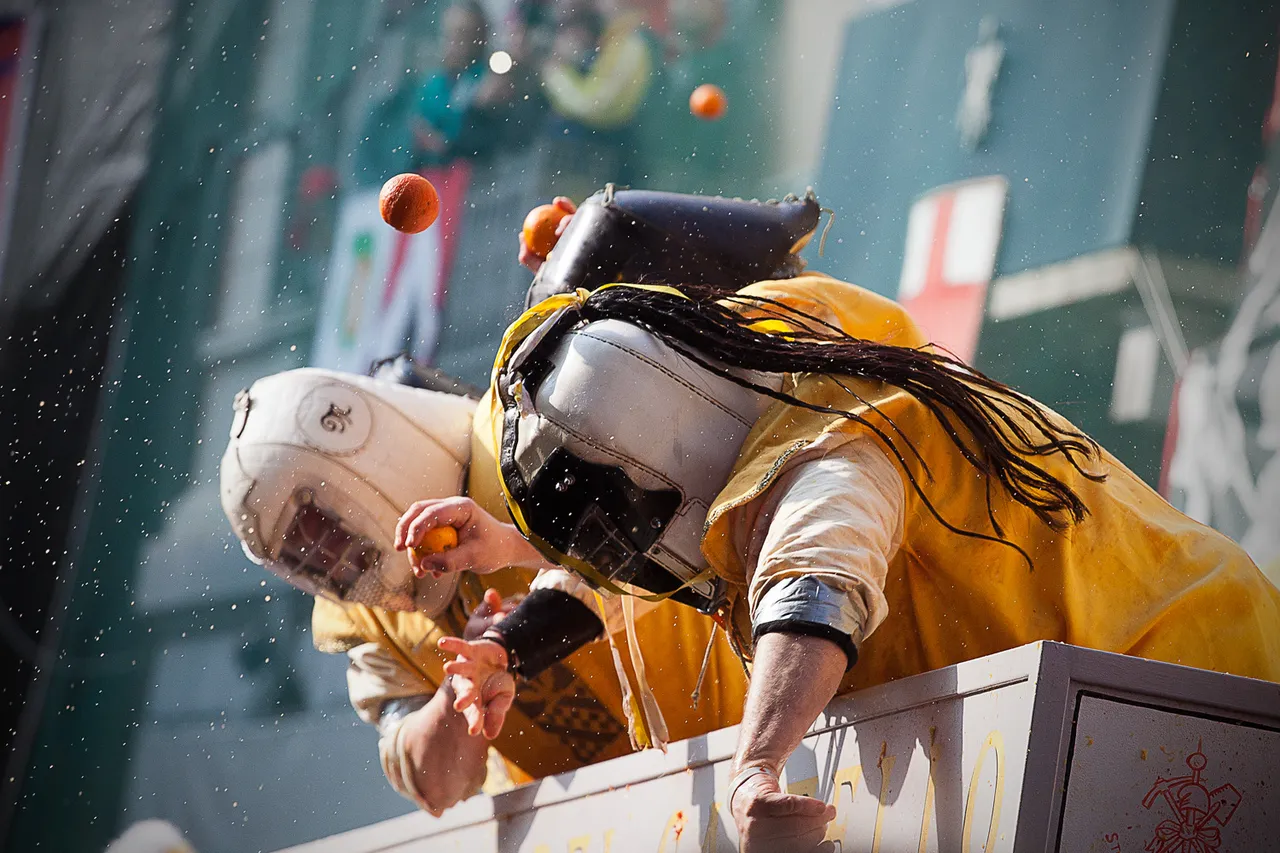
Then the battle begins. Thousands of townspeople, in nine teams on foot, each with its own colours and emblem (the black-and-white chessboard of the Scacchi, the black jackets and red trousers of the Aranceri della Morte, the red of the Asso di Picche), play the rebels. Against them come the tyrant's army: horse-drawn carts carrying throwers in padded jackets and caged leather helmets. The oranges, hundreds of tonnes of leftovers from the Sicilian winter crop, fly from both sides. By the afternoon the squares are carpeted in orange pulp, and bloody noses and black eyes are worn with pride. Spectators who don't want to fight wear the red cap of the revolt and stay off the battlefield.
On the night of Shrove Tuesday the Carnival ends with a silent funeral march, and the General takes leave of the town in dialect: "Arvedse a giobia a 'n bot", see you on Thursday at one, the start of next year's Carnival.